
The Quiet Power of Cultural Preservation
In an era defined by relentless speed and the constant pursuit of the new, there is a quiet radicalism in choosing to look backward. We live in a world that often conflates innovation with progress, discarding the old simply because it is old. However, true value is rarely found in the ephemeral flash of a trend. It is found in the enduring roots of culture, craft, and tradition.
The deliberate act of
cultural preservation is not about stubbornly refusing to move forward. It is about understanding what is worth carrying with us. It is an act of curation that requires discernment, respect, and a pragmatic understanding that for a tree to grow taller, its roots must go deeper.
The Tension Between Past and Future

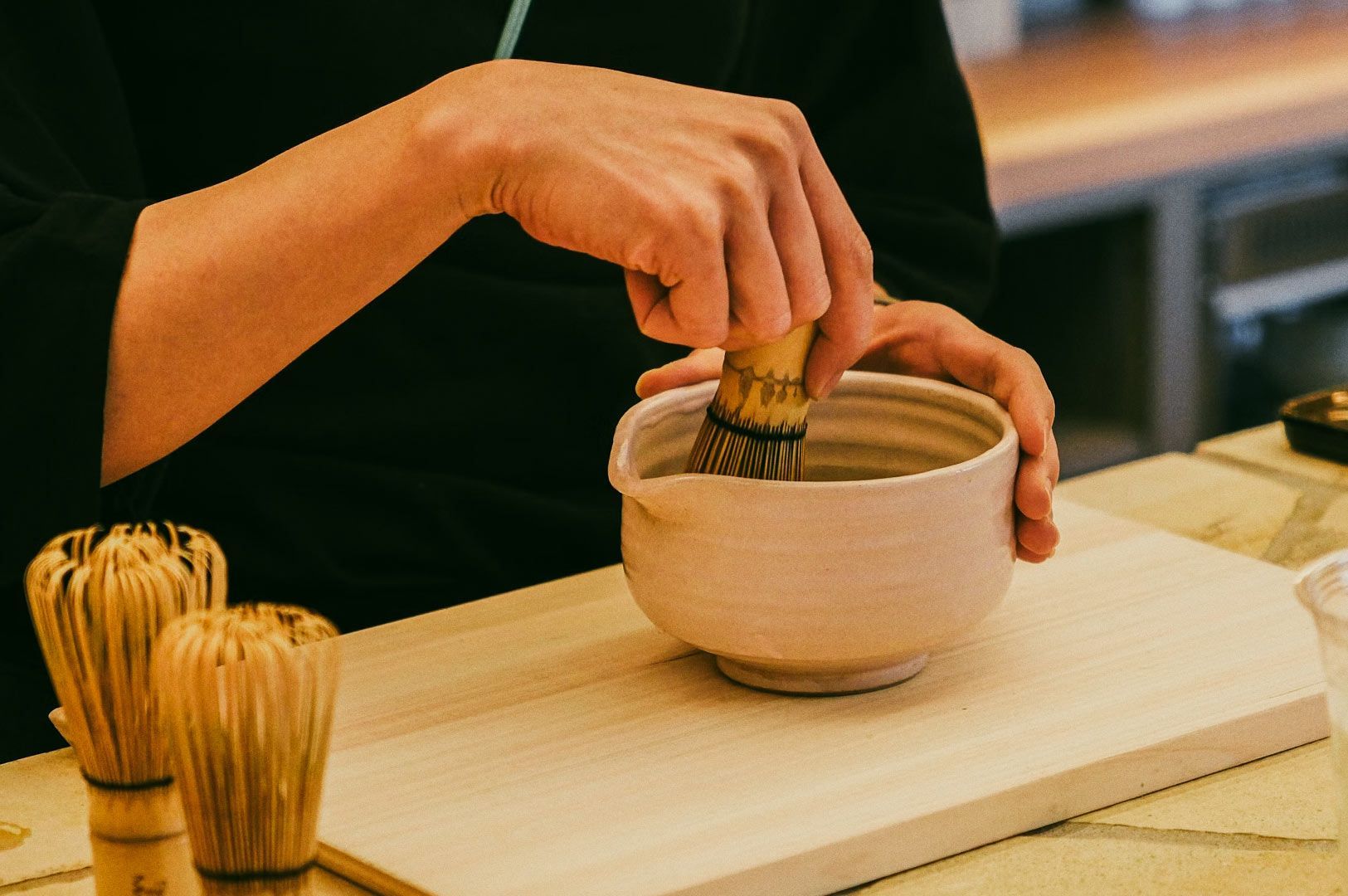
I confront this tension daily within my own businesses. It was particularly palpable recently in our tea room. We serve matcha in the traditional style, whisked by hand in ceramic bowls that have been crafted by artisans whose families have held the kiln fires burning for generations. The ritual is precise. The movements are choreographed. It is a slow, meditative process in a fast-paced city.
A few months ago, a well-meaning consultant suggested we "modernize" the experience. He proposed matcha lattes with flavored syrups, to-go cups, and a faster service model to increase throughput. From a purely financial spreadsheet perspective, his logic was sound. We could serve more customers. We could tap into current beverage trends. We could make more money quickly.
But to do so would have been to hollow out the soul of the place. The value we offer is not caffeine delivery; it is a moment of stillness and a connection to a centuries-old practice. We chose to reject the efficiency model. instead, we deepened our commitment to the traditional form. We introduced workshops on the history of the tea ceremony. We sourced even higher grades of matcha from older estates.
The result was counterintuitive to modern business logic but perfectly aligned with the principles of preservation. Our revenue did not spike overnight, but our customer loyalty deepened. People came not just for a drink, but for the grounding sense of ritual. By protecting the integrity of the tradition, we created something rare: an experience that felt timeless rather than trendy.
Distinguishing Nostalgia from Meaning

It is crucial to distinguish between meaningful preservation and mere nostalgia. Nostalgia is a sentimental longing for the past, often viewing it through rose-colored glasses. It creates museums where life is frozen behind glass, untouched and unchanging. This is not preservation; it is fossilization.
True preservation is dynamic. It identifies the core essence of a tradition, the values, the techniques, the philosophy, and finds ways to keep that essence alive in a contemporary context. It asks: Why does this matter today?
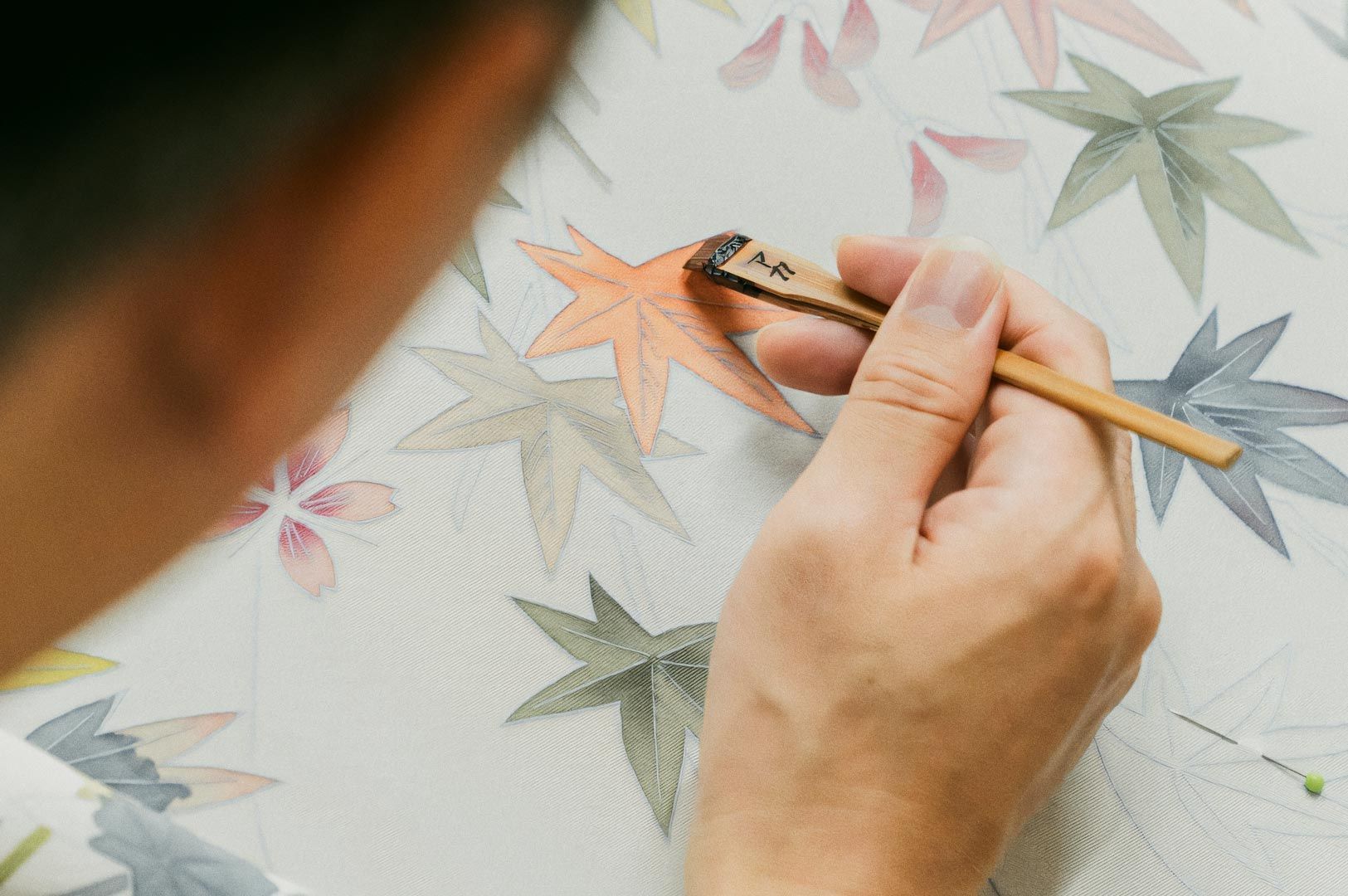
Consider the difference between a costume and a craft. Wearing a kimono as a costume is nostalgia or performance. Learning the intricate dying techniques used to create the silk, and then applying those techniques to modern textiles or interior design, is preservation. One mimics the look of the past; the other carries the wisdom of the past into the future.
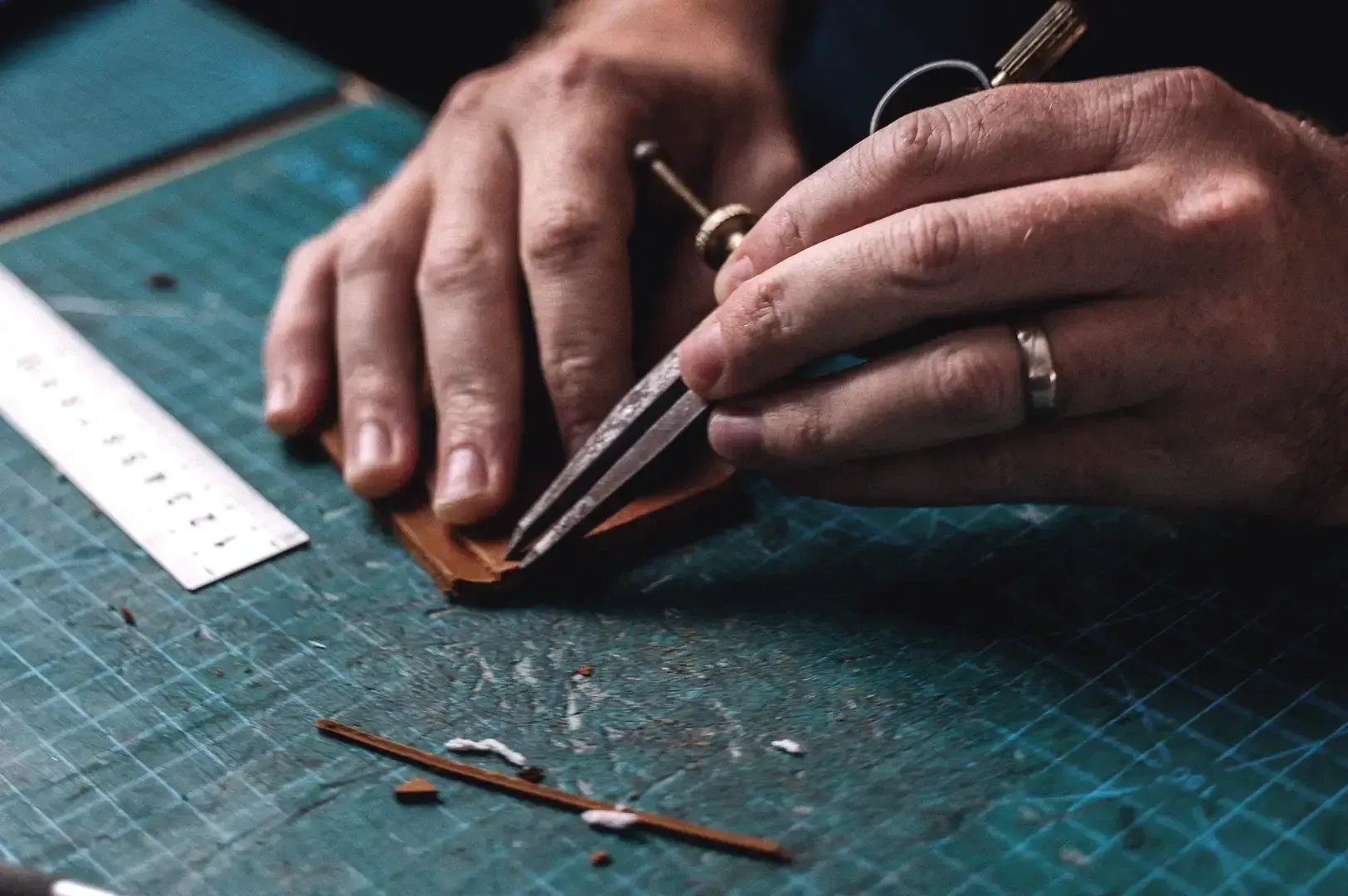
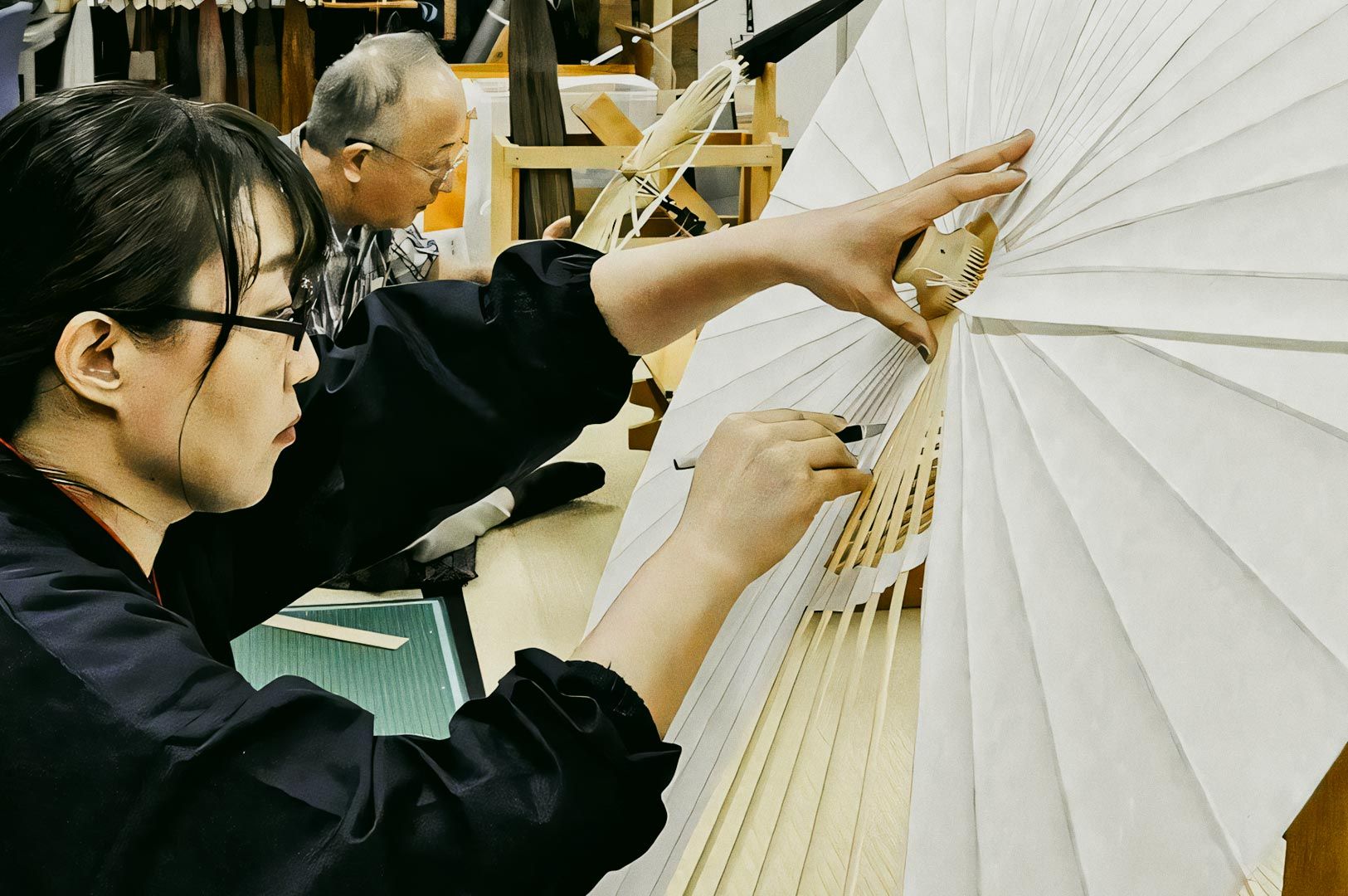
We must protect traditions not because they are old, but because they contain solutions to human problems that we have forgotten. The communal nature of a traditional meal solves the problem of isolation. The durability of hand-stitched leather solves the problem of waste. When we preserve these practices, we are not saving artifacts; we are saving unparalleled technologies of living.
The Paradox of Adaptation

Two years after we began the restoration, our hotel finally opened its doors. The result was a property of exceptional quality and character. The craftsmanship was evident in every detail. The experience for guests was seamless because the underlying infrastructure was sound.
The business was not an overnight success. It took another year for it to find its footing and for word of mouth to build. But then, a quiet momentum began. Our guest return rate was extraordinarily high. The staff, who had been part of the long restoration journey, showed an incredible sense of pride and ownership. The property began to win awards, not for its trendiness, but for its timelessness.
Today, more than a decade later, that hotel remains the cornerstone of our hospitality group. It has weathered economic downturns and shifts in travel trends with remarkable resilience. The decisions we made all those years ago, the ones that caused so much short-term pain and doubt, are now bearing fruit in ways I could not have fully imagined. Watching a decision made ten years ago continue to generate value and meaning is a profound and quiet satisfaction. It is a feeling that no quarterly earnings report can ever provide.
This experience taught me that patience is a form of power. The willingness to wait, to invest in quality, and to let a strategy unfold over years, not months, creates a competitive advantage that is almost impossible to replicate. Your competitors, driven by the need for speed, simply cannot afford to play the same game.
Embracing long-term thinking is a choice. It requires the courage to look foolish in the short term, the discipline to say no to tempting shortcuts, and the conviction to trust your own timeline. It is the understanding that the strongest trees grow the slowest. In a world that is constantly demanding more, faster, and now, the most powerful move is often to take a deep breath, slow down, and focus on
building something that is meant to last. Mastery, in business and in life, is measured in decades, not quarters.