
Man's Search for Meaning by Viktor Frankl | My Quiet Empire Book Review

Bay San

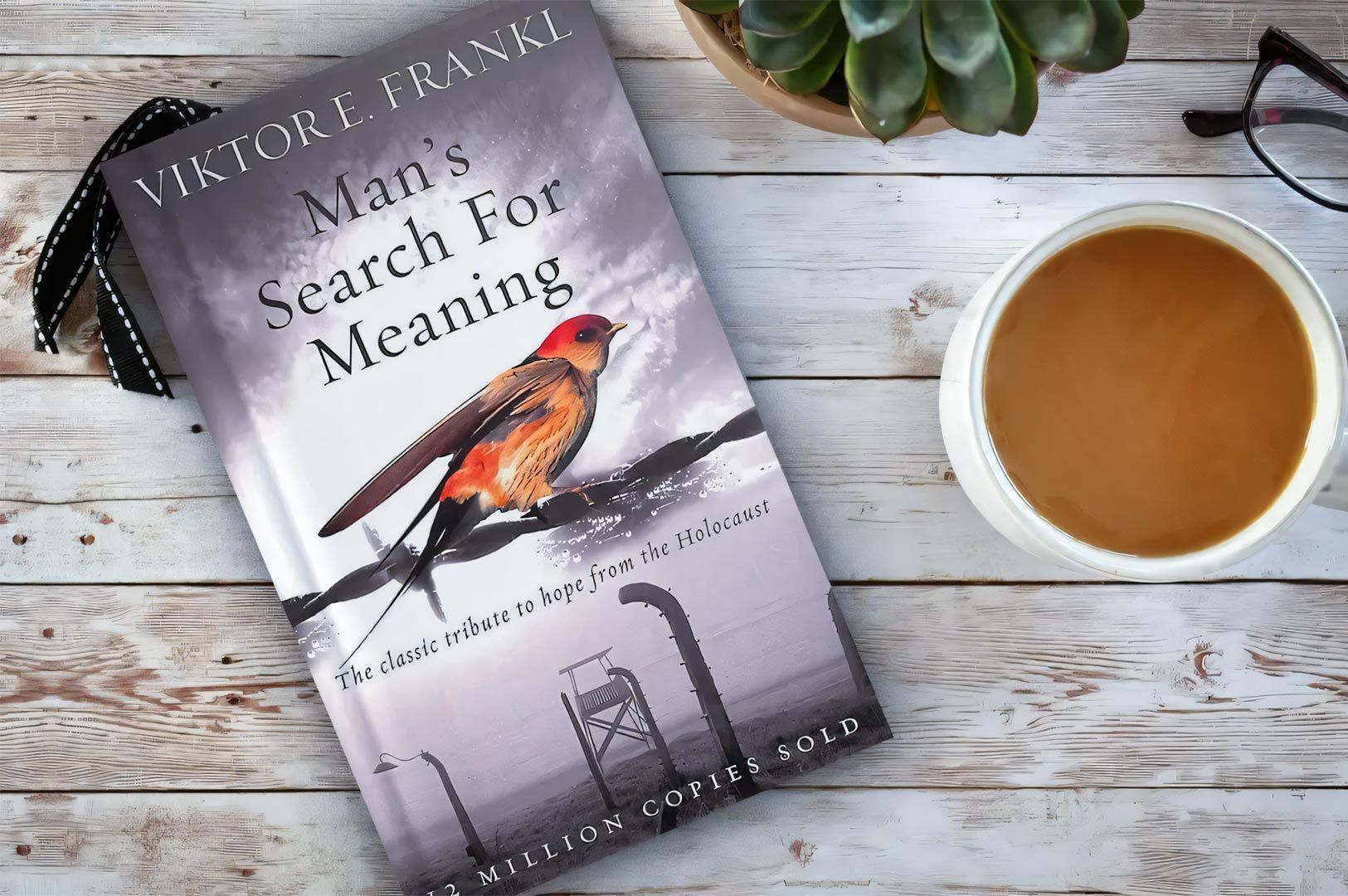
There are books that entertain, books that inform, and then there are books that fundamentally rearrange your understanding of human existence. Viktor Frankl’s Man’s Search for Meaning belongs squarely in the last category. It is a work of such profound gravity and quiet power that it feels less like reading a book and more like receiving a testament. Part memoir, part philosophical treatise, this slender volume offers one of the most vital lessons of the 20th century: that our ultimate freedom is the ability to choose our attitude in any given set of circumstances.

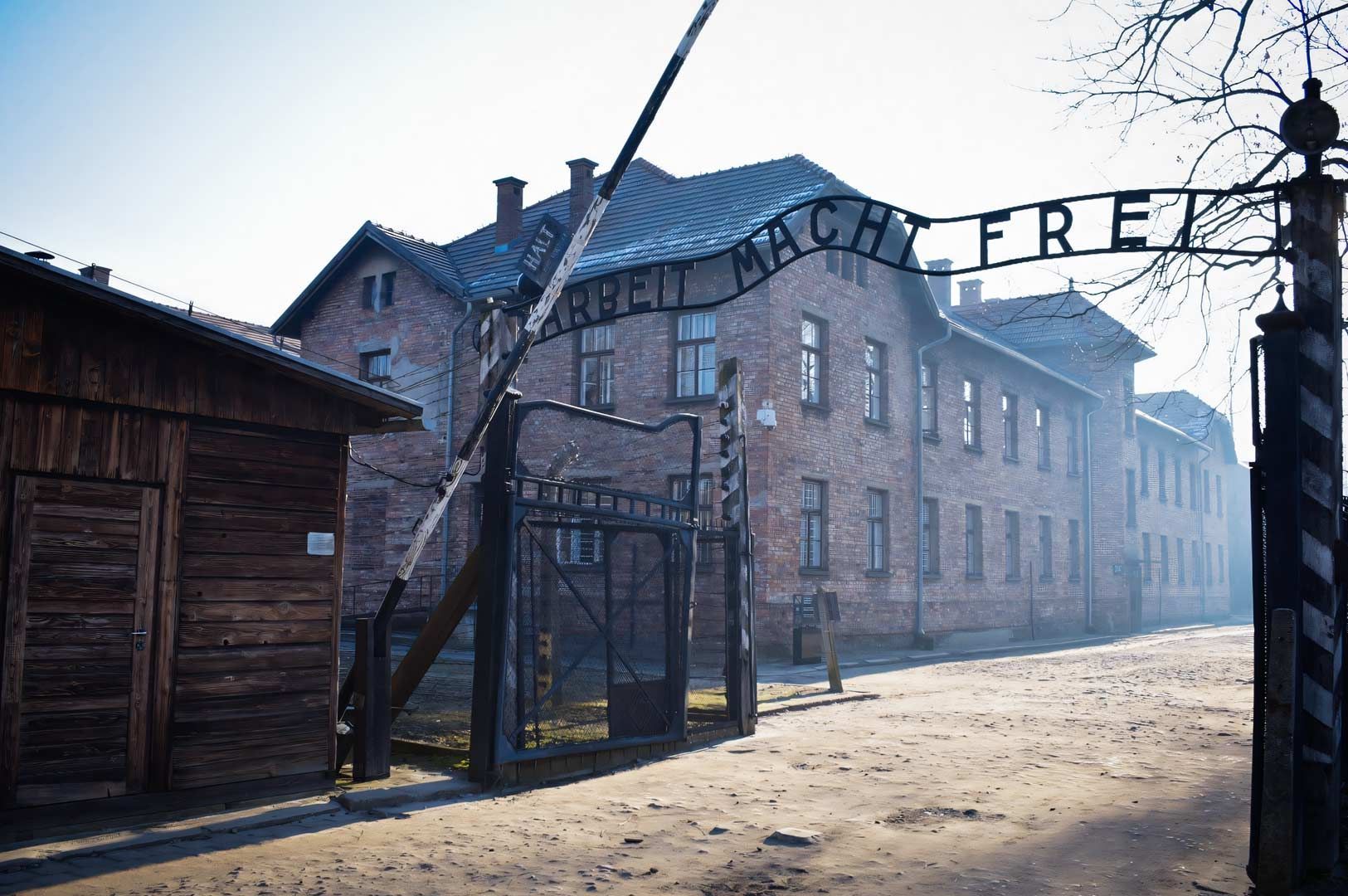
Entrance gate of the Auschwitz concentration camp with the historic ‘Arbeit macht frei’ sign above the walkway, showing brick barracks and wooden structures on a foggy day.

The book is famously divided into two parts. The first is Frankl's harrowing account of his experiences as a prisoner in Nazi concentration camps, including Auschwitz. The second outlines his resulting psychological theory, logotherapy. Frankl, a psychiatrist, observed his fellow prisoners and himself with a clinician’s eye, seeking to understand what separated those who gave up from those who endured. His conclusion strips away all abstraction: survival was not a matter of physical strength, but of inner resolve. It depended on finding a reason to live.

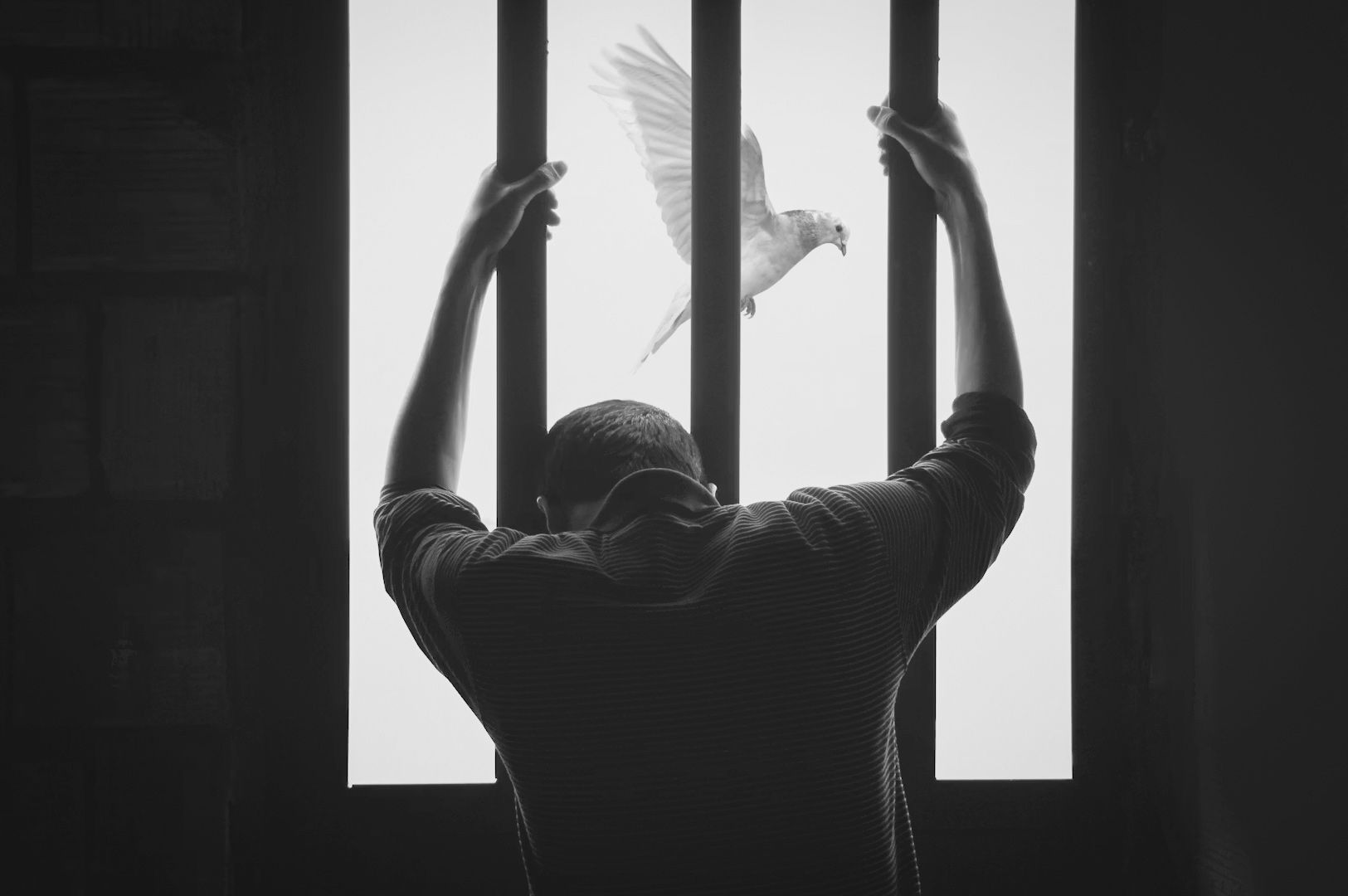
Silhouetted figure gripping vertical window bars while a bird flies outside, symbolizing longing and freedom.

This is the core of Frankl’s philosophy. Quoting Nietzsche, he asserts, "He who has a 'why' to live for can bear with almost any 'how'." In the camps, where life was reduced to its barest essentials, this "why" could be the hope of seeing a loved one again, a piece of work left unfinished, or even the dignity of bearing suffering with courage. Frankl’s experience shows that meaning, not happiness, is the primary driver of human motivation. Happiness is a byproduct, a fleeting state. Meaning is a foundation, an anchor in the storm. This distinction is critical for anyone building an enduring institution or creative practice. Chasing short-term wins and external validation is the pursuit of happiness; cultivating a deep sense of purpose that can withstand difficult seasons is the search for meaning.

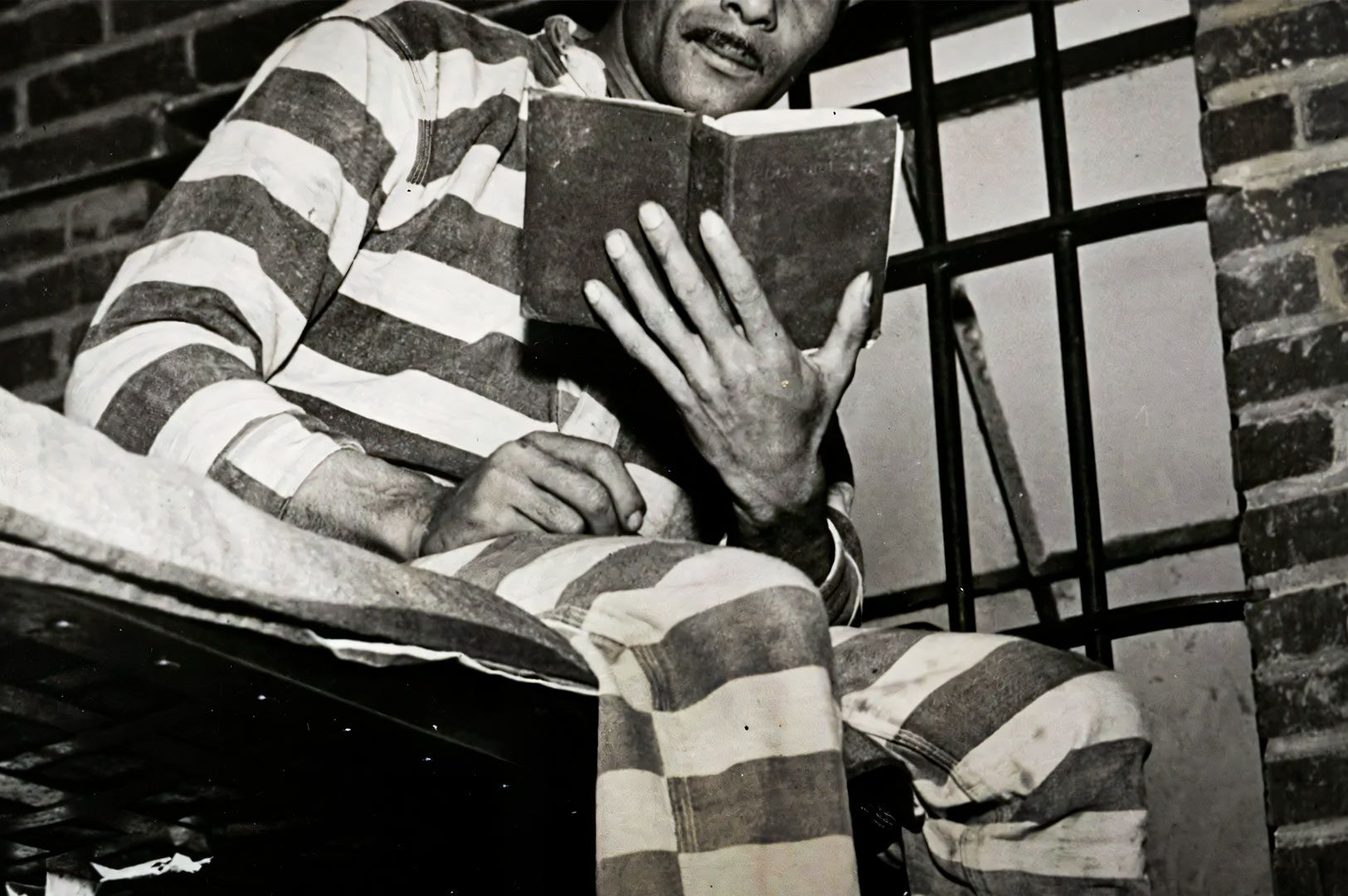
erson wearing striped prison clothing sitting on a bunk in a jail cell while reading a book, with metal bars and brick walls visible in the background.

Frankl’s writing is precise, unsentimental, and devastatingly honest. The tension between his role as a survivor sharing personal testimony and a psychiatrist developing a universal theory gives the book its unique power. He never treats the Holocaust as a metaphor, yet he masterfully extracts principles that apply to all forms of suffering. He argues that even when stripped of everything, we retain the freedom to choose our response. This choice, to find meaning in work, in love, or in our attitude toward unavoidable suffering, is the ultimate expression of human dignity.


Man’s Search for Meaning is not an easy read. It demands something from you. It forces you to confront the darkest aspects of humanity while simultaneously affirming its highest potential. It is not a self-help guide offering simple answers but a profound meditation on resilience, purpose, and the indomitable nature of the human spirit. It is an essential text for anyone asking the fundamental question of how to live a meaningful life, especially when circumstances feel beyond our control.

More Book Reviews

The book ‘The Art of Stillness’ by Pico Iyer placed beside a laptop in a calm, minimalist workspace.
By Bay San February 27, 2026
On the discipline of withdrawal: Iyer reveals that stillness is not escape but focus; choosing where attention goes. A reflection on strategic quiet.
Hardcover book titled The Craftsman by Richard Sennett, shown standing upright with a black cover fe
By Bay San February 20, 2026
On mastery through practice: Sennett reveals that craft is not nostalgia but discipline; doing something well, for its own sake. A reflection on patient excellence.
Minimalist book cover of The Laws of Simplicity by John Maeda displayed on a bright yellow backgroun
By Bay San February 13, 2026
On the power of restraint: Maeda's ten laws reveal that simplicity is not subtraction but strategic clarity. A reflection on doing less, better.
By Robert Macfarlane February 9, 2026
On thinking with your feet: Macfarlane's walking journeys reveal that clarity comes through movement, not stillness. A reflection on embodied wisdom.
A person's hand holds a small, navy blue book titled Silence: In the Age of Noise by Erling Kagge, w
By Erling Kagge February 2, 2026
On finding stillness in noise: Erling Kagge's meditation reveals silence as a cultivated skill, not escape. A reflection on attention and inner discipline.
The image features a close-up, angled view of the book cover for Mastery by George Leonard. It showc
By George Leonard January 23, 2026
On loving the plateau: George Leonard's Mastery reveals that fulfillment comes not from peaks but from patient practice. A meditation on craft and endurance.
This image features a top-down view of the business book
By Jerry I. Porras & James C. Collins January 16, 2026
On building for permanence: Collins and Porras reveal that visionary companies preserve core values while adapting everything else. A reflection on institutional design.
This overhead shot displays two books placed on a dark, weathered wooden table, featuring the Englis
By Yanagi Sōetsu January 6, 2026
On beauty without ego: Yanagi's meditation on folk craft reveals how mastery emerges through selfless work, not individual ambition. A reflection on craft and legacy.