

A Letter from the Road: Reflections on Distance and Perspective
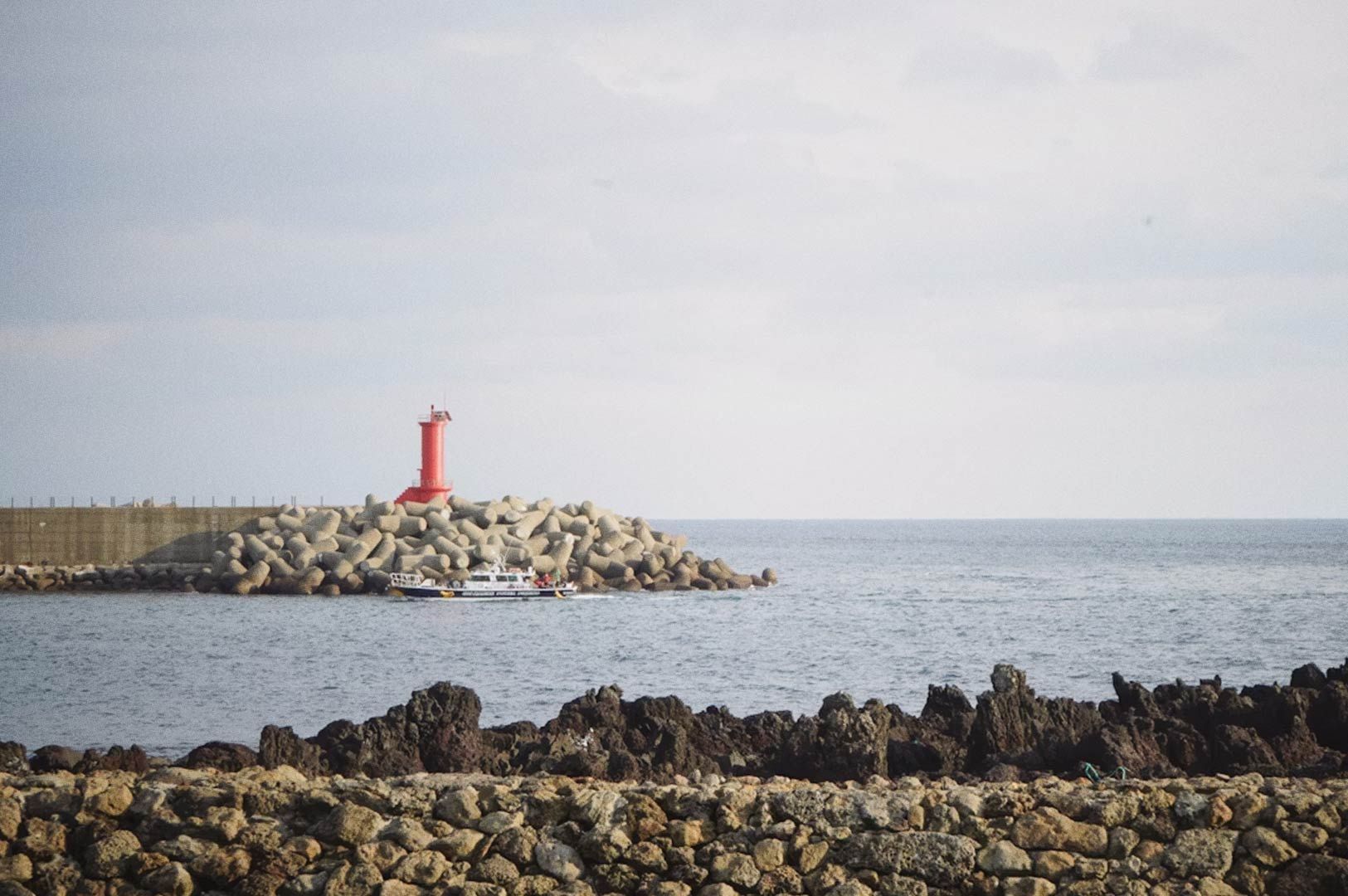
I am writing this from a small, weather-beaten desk in a cabin overlooking the coastline. The sea here is a restless, iron grey, churning against rocks that have held their ground for millennia. The air smells of salt and rain. It is a long way from the humidity of the city, the hum of the office, and the familiar rhythm of my daily responsibilities. And that, of course, is the point.
We often convince ourselves that we need to be in the center of things to understand them. We believe that proximity equals clarity. If we just get closer to the problem, look at the data one more time, or sit in one more meeting, the answer will reveal itself. But I have found that the opposite is often true. To see something clearly, you frequently need to step away from it. You need the corrective lens of distance.
The View from the Train Window

Three days ago, I was on a train winding through the mountain passes. I had brought a notebook with me, intending to map out the strategy for the next quarter across our property portfolio. I had felt stuck on this for weeks, trapped in the weeds of operational details and immediate urgencies. The signal was lost in the noise.
As the train picked up speed and the city limits faded into green fields and then into dense forests, I found my grip on those urgencies loosening. I watched the landscape blur past the window; a cinematic reel of trees, rivers, and small towns. There is something about the forward motion of travel that untangles the knots in the mind. The physical act of moving through space seems to encourage the mind to move through ideas with less friction.
Somewhere between two unremarkable stations, without actively trying to solve the problem, the answer arrived. It did not come as a thunderclap of inspiration, but as a quiet, obvious realization. I saw the connections between two disparate projects that I had previously viewed as separate silos. The solution was simple, but I had been too close to see it. By physically removing myself from the daily grind, the trivial details fell away, leaving only the essential structures visible.
The Architecture of Distance

This is the architecture of distance. When we are immersed in our routine, we are reactive. We respond to the email that just landed, the phone that is ringing, the person standing in our doorway. Our horizon shrinks to the next hour, or perhaps the next day. We become experts in the microscopic but lose touch with the macroscopic.
Stepping away, whether it is a long journey or a simple walk in a new neighborhood, disrupts this reactive loop. It forces a change in scale. From here, looking out at this vast, indifferent ocean, the "crisis" of a delayed supplier shipment or a difficult negotiation feels significantly smaller. It does not mean these things are unimportant, but they regain their proper proportion.
Distance provides a form of emotional sobriety. It allows us to look at our businesses and our lives not as the protagonist struggling in the center of the drama, but as a director observing from the wings. This detachment is not indifference; it is a necessary tool for leadership. You cannot steer the ship if you are constantly down in the engine room fixing the gears. You have to go up to the bridge, where the air is clear and you can see the horizon.
Solitude and the Creative Mind

There is also a profound relationship between solitude and creative thought that travel seems to catalyze. In our hyper-connected world, true solitude is a rare commodity. We are rarely alone with our thoughts. Even when we are physically alone, we are often digitally crowded, scrolling through the lives of others.
Here on the road, I have made a conscious effort to disconnect. The wifi is spotty, which I have chosen to embrace as a feature rather than a bug. In this silence, the mind begins to stretch. Ideas that were previously drowned out by the noise of constant input finally have the space to breathe.
I have found that my best writing, my clearest strategic thinking, and my most honest self-reflection happen in these pockets of solitude. It is uncomfortable at first. The brain, addicted to the dopamine hit of constant stimulation, rebels against the quiet. But if you push through that initial restlessness, you reach a state of flow that is impossible to achieve in a fractured workday.
Managing businesses from afar requires a specific kind of
discipline. It requires the trust to let your teams operate without your constant oversight, as we discussed in previous letters about delegation. But it also requires the discipline to protect your own mental space. It is tempting to check in constantly, to try to
simulate presence through digital channels. But doing so defeats the purpose of being away. The goal is not to move your office to a hotel room; the goal is to leave the office behind so you can bring a better, sharper version of yourself back to it.
Bringing the Perspective Home
This brings me to a final reflection on the art of dialogue. We often enter conversations with our armor on, ready to defend our positions and advocate for our own ideas. We listen for the pause where we can jump in and make our point. This is debate, not dialogue. True dialogue requires a different kind of courage. It is the courage to be vulnerable, to admit you might not have all the answers, and to be open to the possibility that another person’s perspective might be more insightful than your own.
Letting someone else change your mind is not a sign of weakness; it is a profound act of strength and humility. It is an acknowledgment that growth comes from exposure to new ideas, not from the reinforcement of old ones. The most effective leaders I know are not those with the most strident opinions, but those with the deepest capacity for listening. They create environments where questions like the architect’s can be asked, where dissenting views are seen as a gift, not a threat.
I encourage you to seek out these conversations, to find the people who will challenge your thinking with grace and wisdom. And when you find them, I encourage you to do the hardest thing of all: listen.
Truly listen. Listen with the intent to understand, not just to reply. You may find that a single, quiet question has the power to change everything.