The Curator's Library: Books That Shaped My Eye

Bay San • June 16, 2026

The study is quiet before the rest of the house wakes. I reach for a book on the second shelf, the one with the linen spine softened at the corners from years of handling. The paper inside is heavier than modern stock, slightly textured, the kind that holds ink without gloss. When I open it, the faint scent of dust and glue rises, and time slows by a degree.


A penciled note in the margin catches my eye. I no longer remember writing it, but the hand is mine. This is where I learn to see. The morning light strikes the spine just so, and I feel the same attentiveness I had the first time I handled the book, years ago, before any sense of authority or mastery. It is a moment of quiet apprenticeship with a page.


Not Favorites, But Teachers

What follows is not a list of favorite books nor a guide on curation like this article I wrote on apprenticeship. It is a tracing of the volumes that trained my eye across architecture, design, photography, craft, food, and place. Each taught a distinct kind of looking, and I have arranged them by lesson rather than title.


There is an oversized, severe architecture book that taught me proportion before I had language for it. I found it in a secondhand shop in a city I no longer visit, its dust jacket missing, boards exposed and honest. The plates inside were printed in deep black and white, columns and courtyards photographed at the hour when shadow does most of the work. It taught me to notice relationships: how one element sits against another, how a window earns its place in a wall. At the academy, I obsess over the ratio of instruction to silence, of pressure to rest. Proportion is not decoration; it is structure made visible.


A slim Japanese photography monograph taught me light. Its matte pages absorbed the eye rather than reflecting it, and one image stayed with me: a corner of a room, almost empty, where afternoon light fell across a wooden floor and asked nothing of the viewer. It taught me that light is a material. At the omakase restaurant, I spent more time on lighting than the menu in those first weeks, lowering it until the counter glowed rather than glared. The monograph is why.

Texture and Material

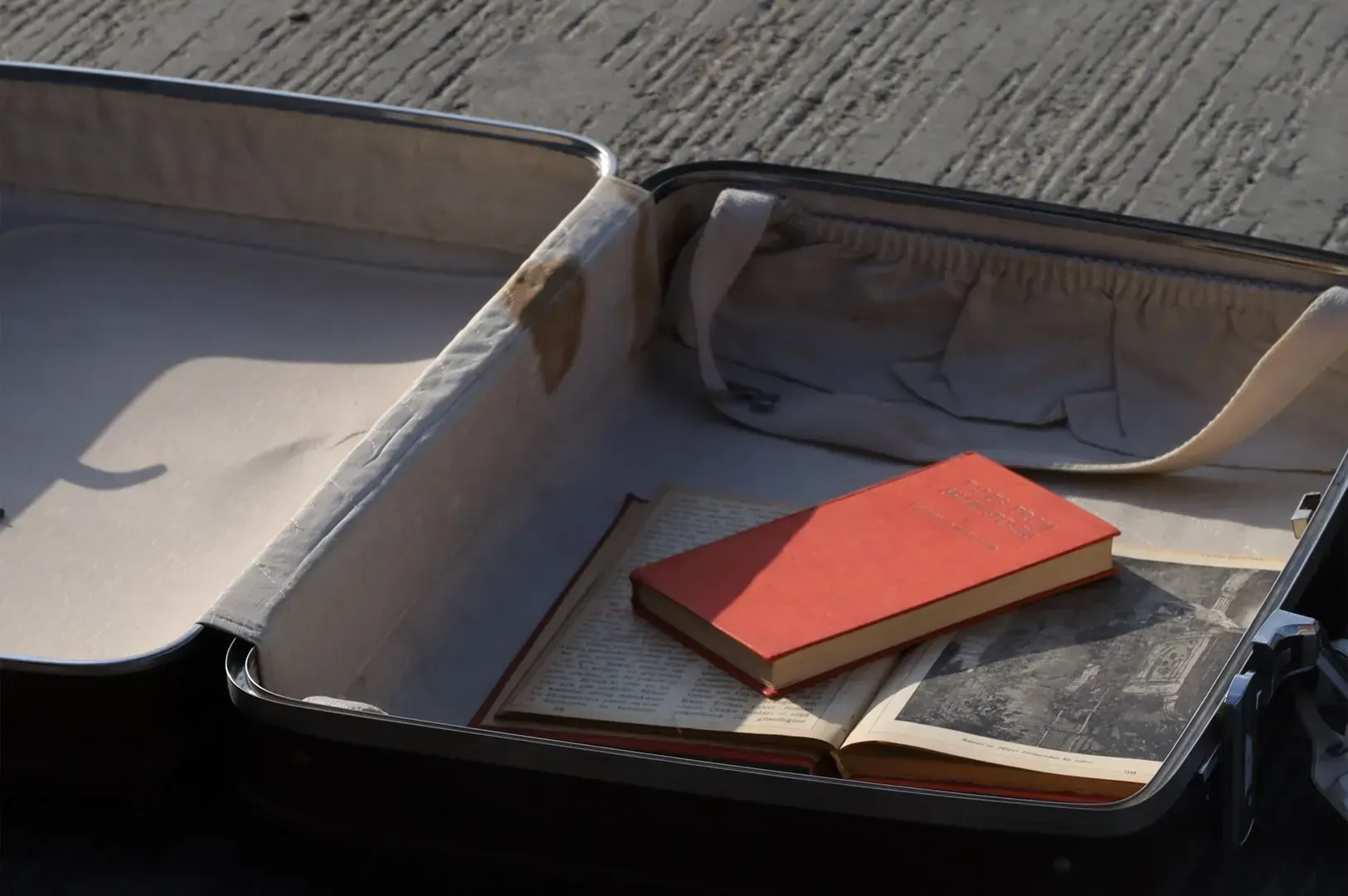
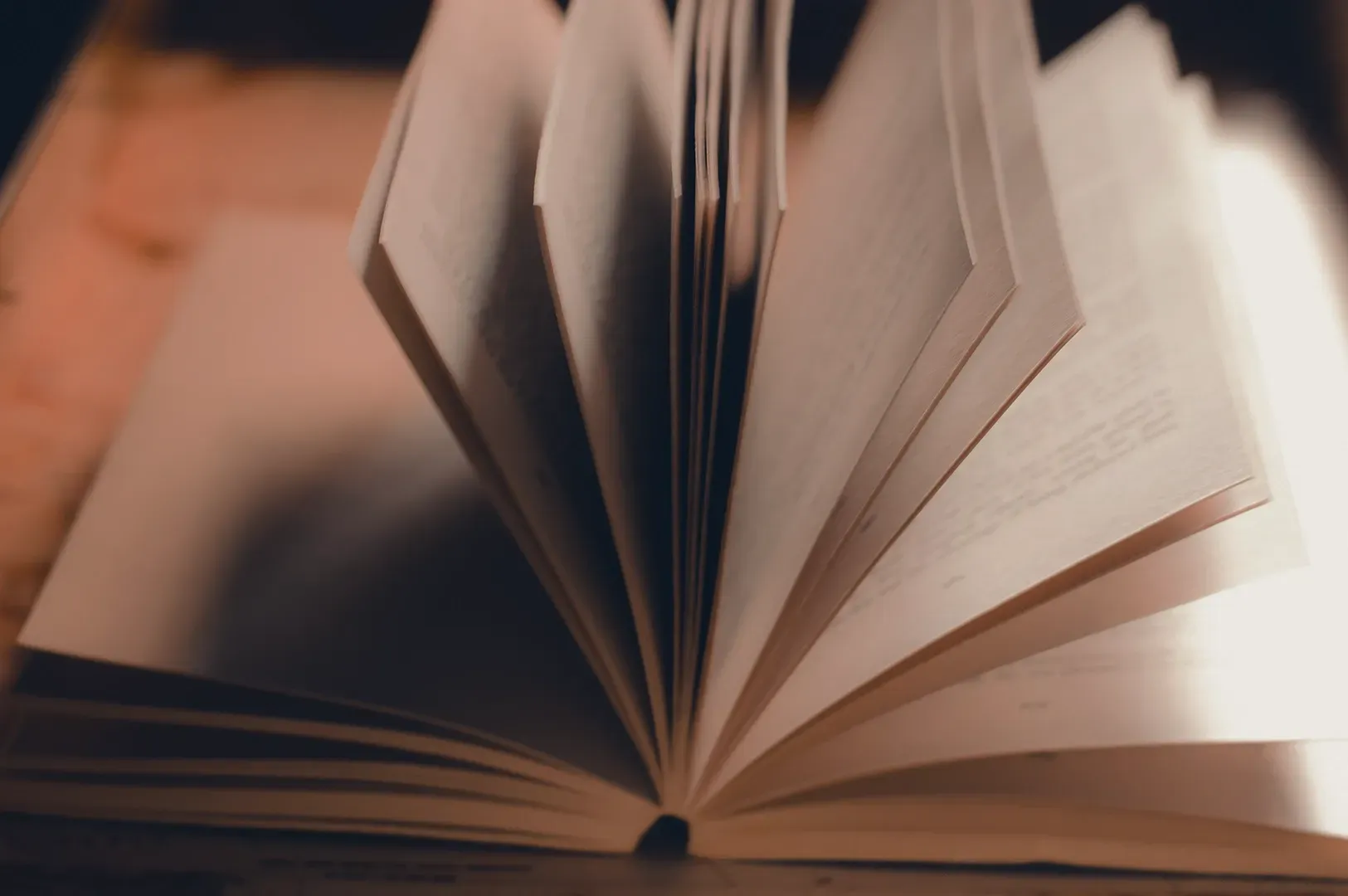
Close-up of an open book with fanned pages in natural light, evoking the intimate, tactile experience of reading as a method for refining personal taste and visual restraint.

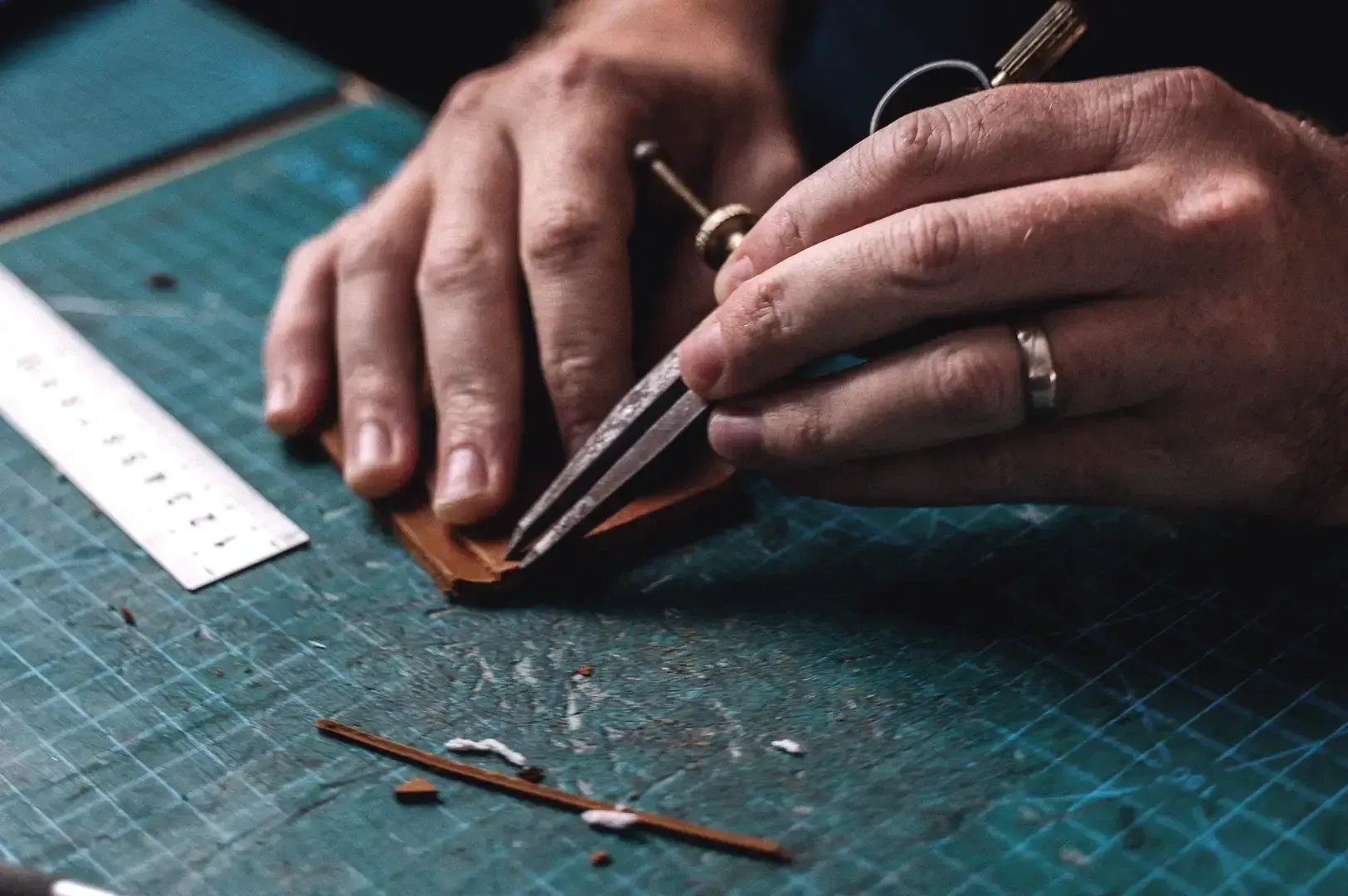
A craft book on Japanese joinery taught me texture and material honesty. Wrapped in paper from a small press, the cover stock was rough under the thumb. The diagrams were precise, but the photographs of timber, grain raised by a hand plane, were what held me. The lesson was that material should be allowed to speak.


I carry this into every property I consider. I run my hand along a banister before I trust a room. Honest material ages well. The book taught me to feel for it, to pause and notice the life in every surface, the way a well-chosen element can anchor an entire space. It was a lesson in patience as much as perception.


Negative Space

A design volume on graphic composition taught me what to leave out. I bought it new, the only one of these I did not find used, and its pages were bright, generous with margin, confident in emptiness. White space was not absence. It was intention.


This shaped how I edit. At the consulting firm, the strongest recommendations were the shortest. Negative space, on a page or in a sentence, is where the reader breathes. It taught me that restraint often speaks louder than ornamentation, that clarity emerges when superfluous detail is removed.

Ritual and Editing

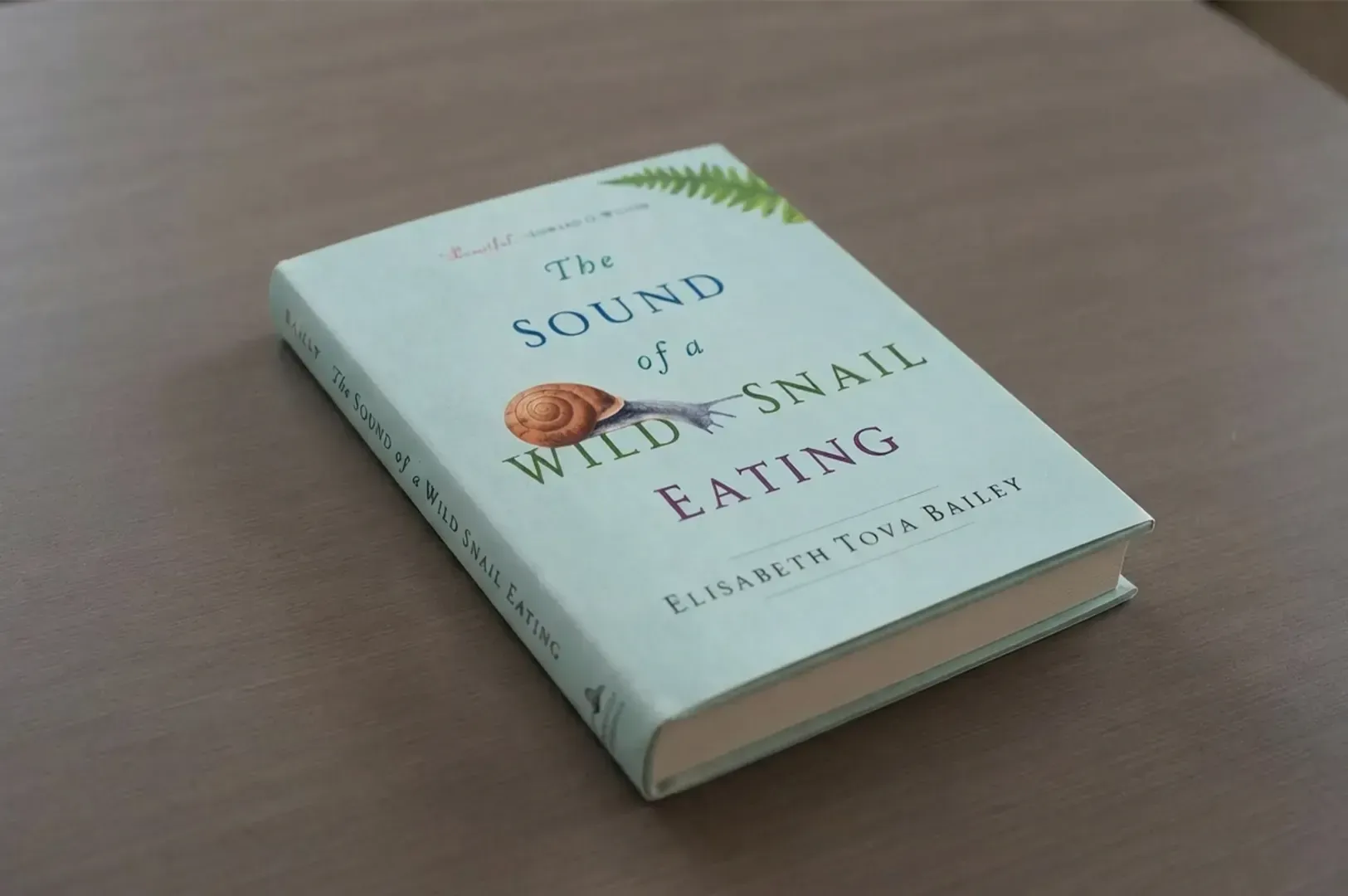
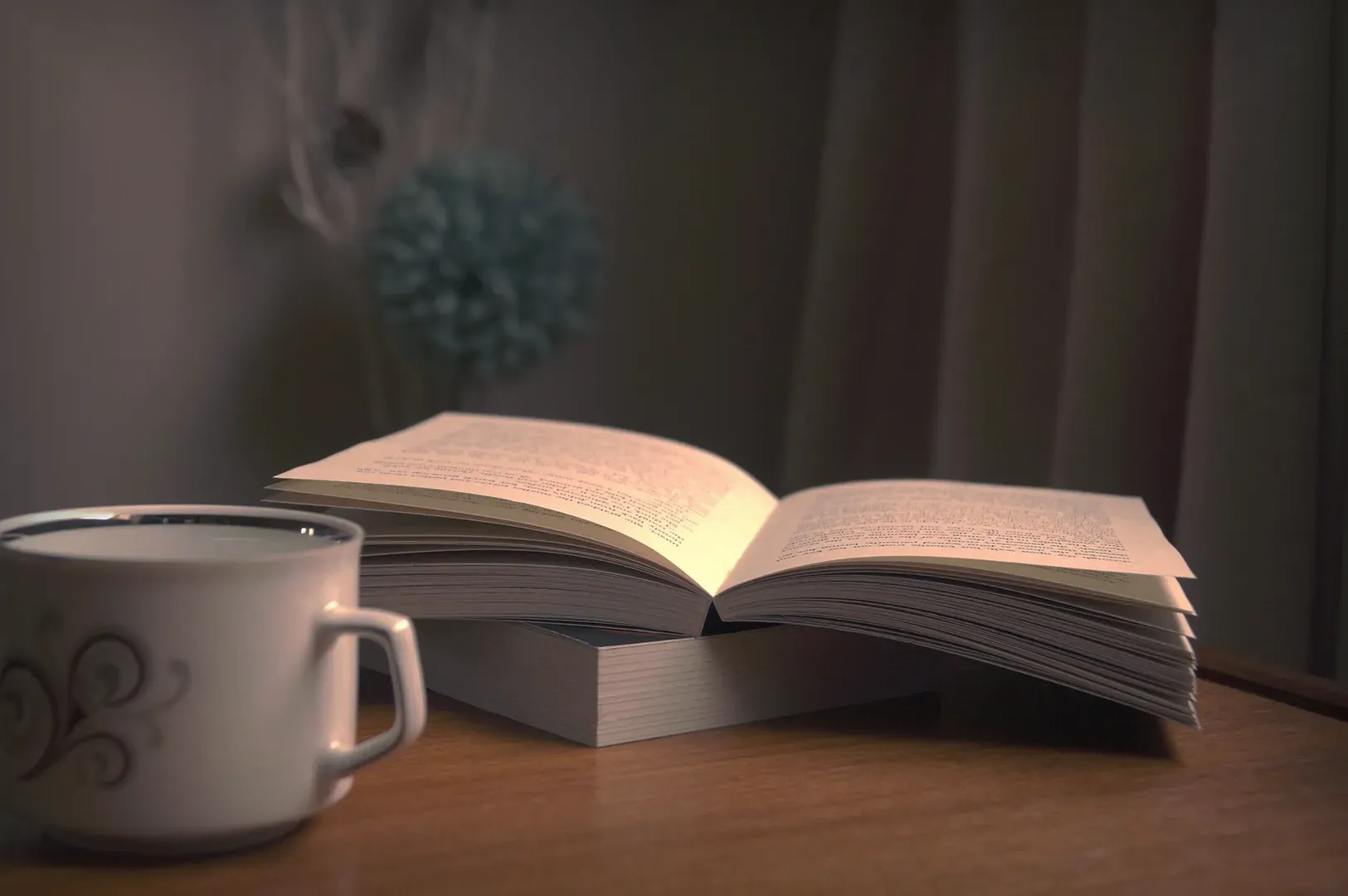
A peaceful reading nook featuring an open book resting on a stack of volumes next to a ceramic mug on a wooden table, suggesting a cozy, intellectual break.

Two books sit together on the lesson of ritual and editing: a slim volume on the tea ceremony and a chef’s collection of plated dishes. The tea book was bound simply, its text spare, its photographs of a single bowl repeated across seasons. The food book was lavish and large. Yet both taught the same thing: repetition refines, and editing is an act of respect.


I learned that ritual is editing made daily. What you do the same way every time, you can eventually do without thinking, which frees attention for the guest in front of you. The quiet repetition becomes invisible, and the space around it (whether a dining counter, a page, or a property) speaks louder because of it.


A Page That Returns Me

There is one plate in the joinery book that returns me to an earlier self. A photograph of a joint, two pieces of timber meeting without nail or glue, light falling across it in gray-gold. I remember the first property I walked alone, before I knew whether I would buy it. I can smell that empty house again: cold stone, old wood, rain held in the walls.


Memory arrives through texture and light, not story. I was younger, less certain, holding a decision I could not yet name. The page gives it back to me whole. It reminds me that the practice of seeing is inseparable from the practice of remembering and feeling, and that perception itself is a cultivated habit.

What Curation Preserves

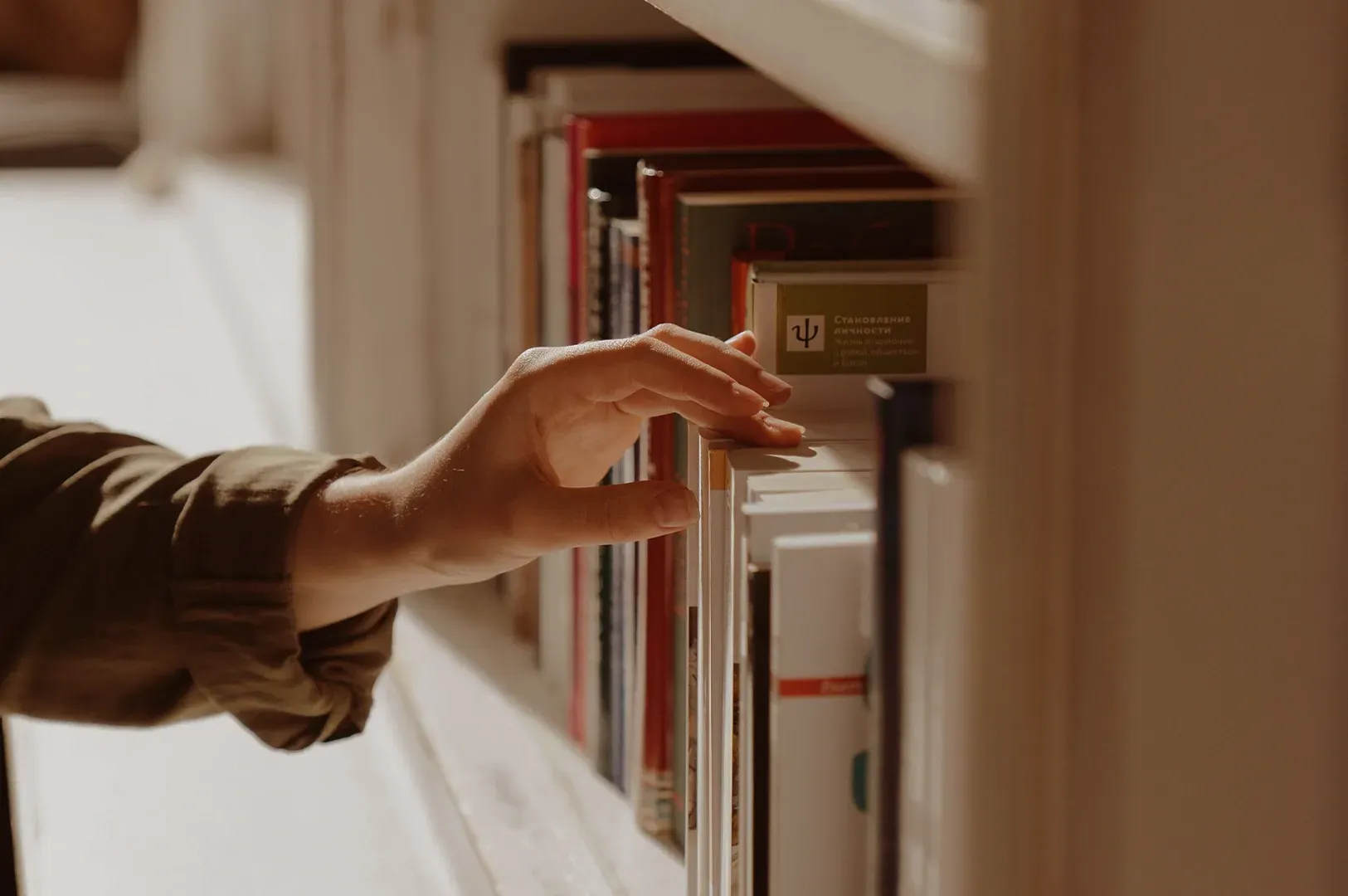
A person’s hand gently reaching toward a curated collection of books on a shelf, symbolizing the process of discovery and selection in a personal library.

Running businesses taught me that curation is a discipline, not a mood. What must be preserved is narrow: standards, training, sourcing, craft rituals, and the reason behind every detail. What can change is almost everything else: format, menu, location, scale, presentation.


A library works the same way. The books do not change, but what I need from them does. When noise rises, they become reference points, a set of fixed standards I can return to when the market or the moment tempts me toward something louder. Late at night in Japan, I would study the photography monograph by lamplight, the room dark around the single pool of illumination. That looking was hungry, immersive, the kind that pulls you inward.


The Inner Tempo

In the afternoon, during tea, I revisit the design book differently. The light is full, the pace slow, and I notice composition rather than feeling. One setting teaches absorption; the other teaches discernment. Both are necessary, neither complete alone.


I close the linen-spined book and set it back on its shelf. These volumes did not simply inform my taste; they slowed me. They taught me the tempo that seeing requires, the willingness to stay with a page until it gives something up. The most powerful curation, I have come to think, is not a shelf at all. It is an edited life, arranged so that the few things that matter have room to be noticed. The books remain. I return to them. They remind me that attention, once trained, shapes the way I see the world, the work I do, and the rooms I choose to occupy.

Recent Posts

The book of 'Turn the Ship Around! A True Story of Turning Followers into Leaders' by former nuclear
By Bay San June 12, 2026
Marquet's lesson isn't "be nicer"—it's build leaders everywhere. A reflection on intent, ownership, and quiet mastery in teams.
A chef's hands meticulously preparing sushi, representing the deliberate rituals of decision-making
By Bay San June 11, 2026
A quiet reflection on how ritual, not more analysis, helps you choose with integrity when every option carries weight.
A close-up view of a taxi driver wearing a face mask inside a red taxi, capturing a candid moment of
By Bay San June 9, 2026
A reflective essay on small acts of kindness from strangers, and how brief hospitality can shelter and change the traveler.
A flat-lay photograph of the 50th-anniversary edition of Invisible Cities by Italo Calvino, resting
By Bay San June 5, 2026
Calvino’s Invisible Cities shows how places are built from desire and memory, an elegant lesson in craft, perception, and quiet power.
A close-up view of a person being served a variety of colorful dishes from a buffet line, illustrati
By Bay San June 4, 2026
A refined essay on how preference reveals temperament, memory, discipline, and the quiet ethics behind what we choose.
Students sitting at desks writing in notebooks, capturing the act of doing through note-taking and t
By Bay San June 3, 2026
A quiet reflection on apprenticeship, real competence, and why judgment is still formed through repetition, proximity, and responsibility.
Top-down flat lay shot of “Solitude: A Return to the Self by Anthony Storr” book on a wooden table,
By Bay San May 29, 2026
Anthony Storr reframes solitude as strength: the quiet discipline that forms identity, fuels craft, and steadies builders in a noisy world.
Wide-angle interior shot of minimalist Japanese tatami room with shoji screens and natural light cas
By Bay San May 28, 2026
Explore restraint not as deprivation, but as a quiet form of power. Discover how choosing less protects your attention and refines your deepest desires.
Low-angle motion shot of a street cleaner sweeping a wet brick sidewalk with a broom, capturing quie
By Bay San May 26, 2026
Explore the moral texture of travel. Discover how to practice attention without entitlement and master the quiet discipline of being a respectful guest.
Flat lay overhead shot of “A Life Less Throwaway” by Tara Button on a white wooden surface, minimali
By Bay San May 22, 2026
Meta Description: Tara Button argues for repair over replace. A reflection on durability as discipline, and what it means to build a life that lasts.
Show More