


The Art of Arriving: Why the Journey Matters More Than the Destination

Bay San • January 22, 2026

We have become experts at getting there. We book the most direct flights, navigate the fastest routes, and optimize our itineraries to minimize the time spent in transit. The journey is often seen as a necessary inconvenience, a blank space on the calendar between the moment of departure and the reward of arrival. We treat these in-between moments as something to be endured, to be filled with distractions, or to be overcome with speed. But in this rush to arrive, we miss the profound and quiet wisdom that the journey itself has to offer.


Travel, in its most transformative sense, is not about the destination. It is about the quality of attention we bring to the process of getting there. The art of arriving well is the art of being fully present long before you reach your goal. It is in these unhurried, interstitial moments that we often find the most valuable discoveries about place, time, and ourselves.


The View from a Slow Train

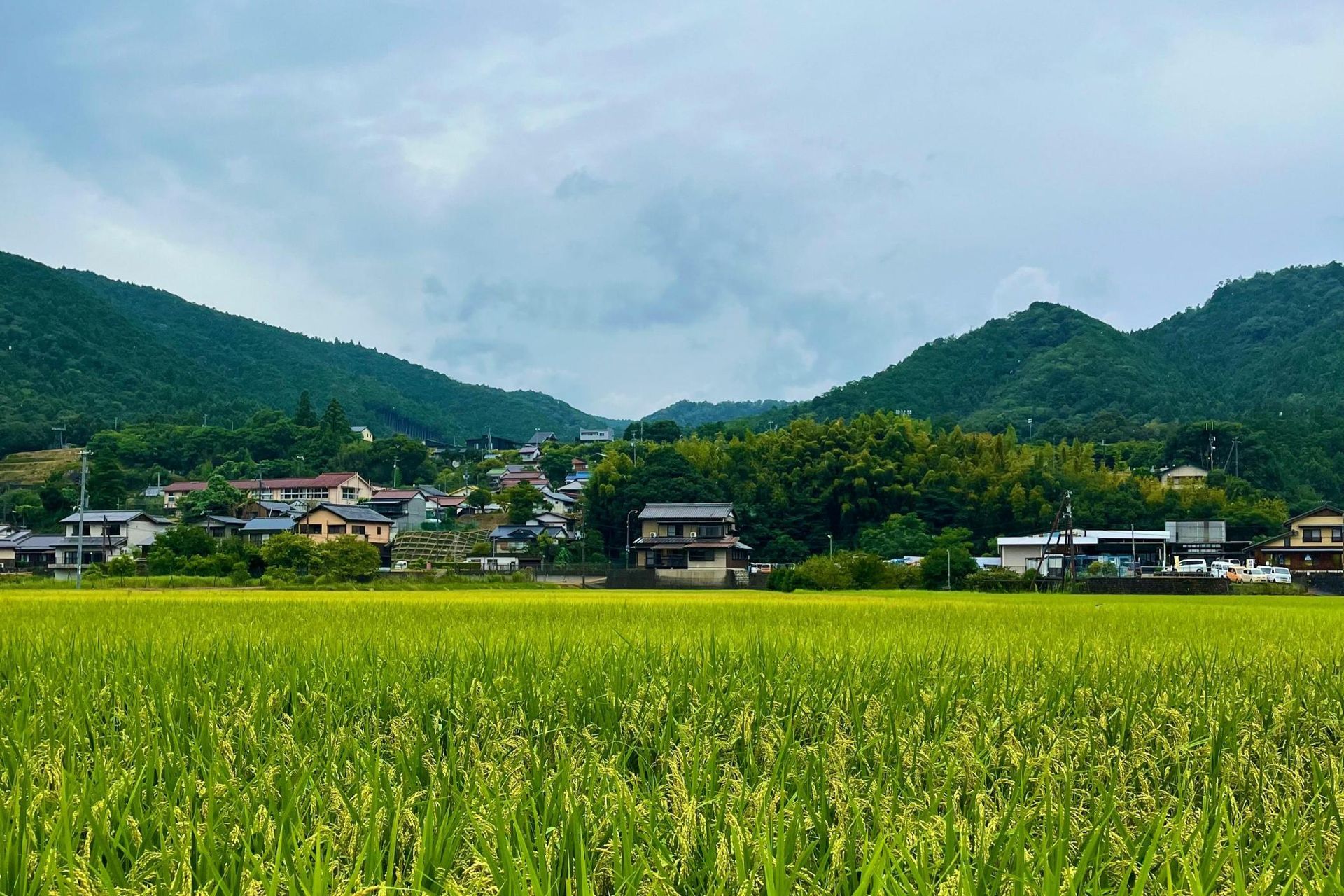
A vast, vibrant green rice field fills the foreground, leading up to a small rural village nestled at the base of lush mountains. The rolling hills are covered in dense trees under a cloudy sky, creating a serene and picturesque countryside landscape.

I was recently on a train traveling through the Japanese countryside, on my way to visit a remote property designed by a reclusive architect. The faster, more efficient Shinkansen was an option, but I had deliberately chosen a slower, local line that wound its way through small towns and agricultural valleys.


Outside the window, the landscape unfolded not as a blur but as a series of distinct, quiet moments. I watched an elderly farmer meticulously tending to a small patch of vegetables. I saw a group of schoolchildren in identical yellow hats walking along a riverbank. The light changed as the train moved through a bamboo forest, casting shifting patterns on the floor of the carriage. Each scene was a small, complete story.


Had I taken the bullet train, I would have arrived at my destination an hour earlier, but I would have missed the texture of the place I was traveling to. The slow train did not just transport me through space; it transitioned me through a culture. By the time I stepped onto the platform at the small, quiet station, my state of mind had already shifted. I was no longer a visitor arriving from a bustling city. I had been gently acclimatized to the pace and rhythm of the countryside. The journey had prepared me to see the destination not as an isolated object of admiration, but as a natural extension of the landscape I had just passed through.


Rushing Toward a Goal

A close-up view captures an elderly, bearded man wearing glasses as he intently focuses on typing on a laptop. He is dressed in a white plaid button-down shirt and appears deep in concentration while working indoors.

This habit of rushing toward a destination is a pattern that extends far beyond travel. It mirrors a broader tendency in our careers and our lives. We fix our gaze on the next milestone: the promotion, the successful launch, the acquisition of a company. We work relentlessly to get there, believing that our satisfaction lies at the finish line. We treat the intervening years of hard work, learning, and relationship building as mere transit time.


This approach is driven by a fundamental misunderstanding of where value is created. The successful outcome of a business venture is not a singular event, but the result of a thousand small, well-executed steps. The strength of a team is not forged on the day of a big win, but in the daily acts of trust and collaboration. When we focus only on the destination, we devalue the very process that makes the destination meaningful. We risk arriving at our goal feeling empty and unfulfilled, because we were never truly present for the life we lived on the way there.


The Quality of In-Between Moments

Two colleagues collaborate at a whiteboard, mapping out a strategy with headings like

The real art of travel, and of life, lies in the quality of attention we bring to the in-between moments. It is the conversation with a stranger in an airport lounge, the quiet observation of a city waking up from a cafe window, the feeling of the air on your skin as you step off a ferry onto a new shore. These are the moments that are not on any itinerary, yet they often form our most lasting and meaningful memories.


When we travel to our properties, the approach is as important as the architecture itself. The journey to our alpine lodge in Australia, for instance, involves a long drive through a winding mountain road. The final stretch is unpaved. This is intentional. The drive forces a slowing down. It demands your attention. You notice the changing vegetation, from towering eucalyptus forests to hardy alpine shrubs. You feel the drop in temperature. The journey is a deliberate threshold, separating the outside world from the sanctuary of the lodge. Guests who rush this approach miss its purpose. Those who embrace it arrive with a heightened sense of place and a deeper appreciation for the remoteness they have earned.


Learning to Arrive Well

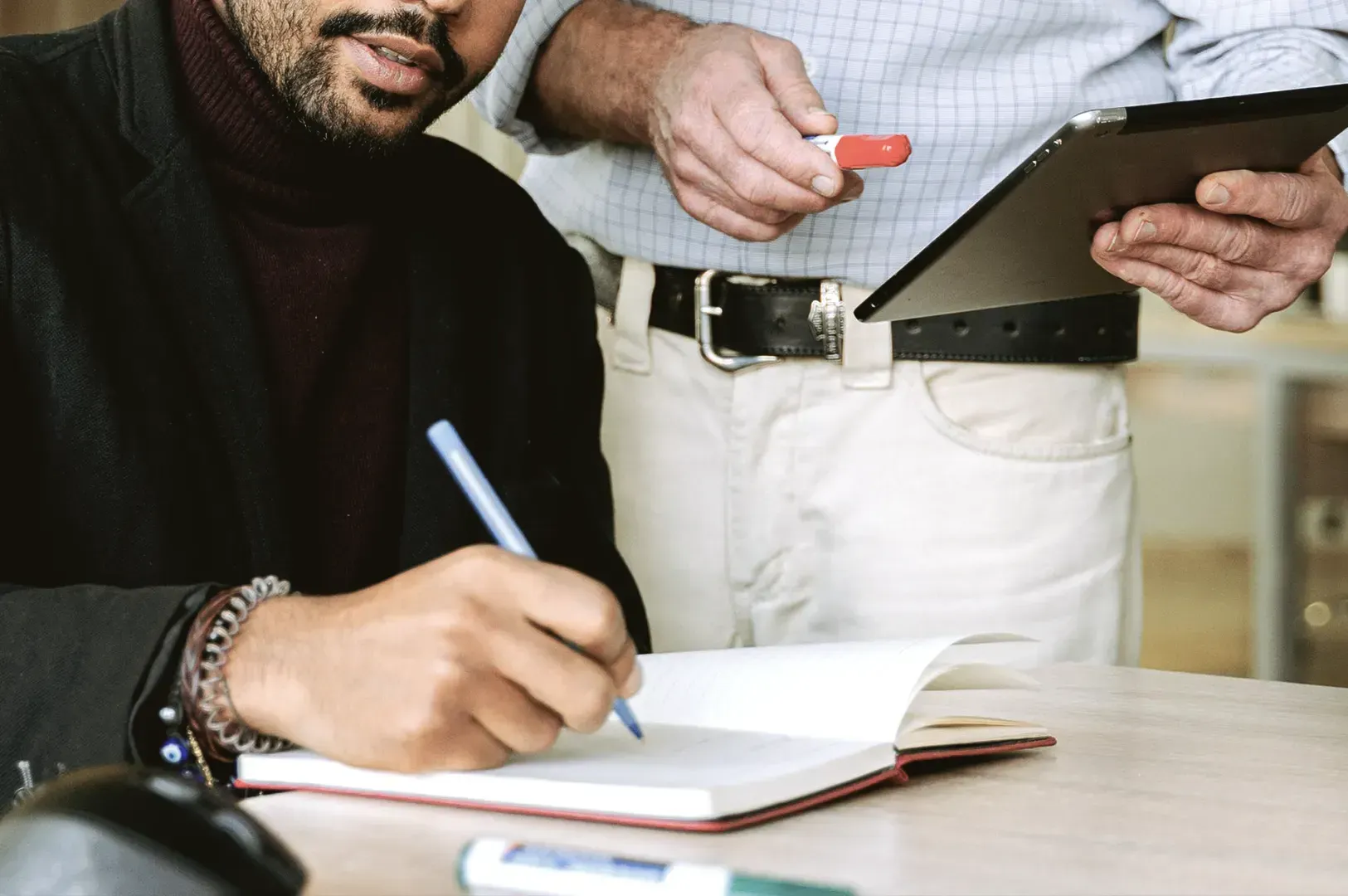
A close-up view shows a man writing the word

Mastering the art of travel is ultimately about mastering the art of attention. It is the conscious decision to inhabit the journey, not just endure it. It is about finding value in the process, not just the outcome. This practice has profound implications for how we live.


When you learn to be present on a long flight, you are also learning how to be present in a long and difficult project at work. When you find beauty in the slow unfolding of a landscape from a train window, you are also learning to find joy in the slow and steady progress of building a business or raising a family.


The next time you travel, resist the urge to optimize for speed alone. Choose the scenic route. Allow for unplanned stops. Put down your phone and look out the window. Pay attention to the subtle shifts in light, sound, and atmosphere. Engage with the journey as if it were the destination itself. You will find that the world offers up its secrets more readily to those who are not in a hurry. You will learn that arriving well has very little to do with how fast you get there, and everything to do with the person you have become along the way.

Recent Posts

Busy night market with lit stalls selling clothes, striped tarpaulin covers, large umbrella, and neo
By Bay San February 17, 2026
What endures from travel beyond photographs? A reflection on markets, objects, and the stories we choose to carry home with us.
Minimalist book cover of The Laws of Simplicity by John Maeda displayed on a bright yellow backgroun
By Bay San February 13, 2026
On the power of restraint: Maeda's ten laws reveal that simplicity is not subtraction but strategic clarity. A reflection on doing less, better.
Image of a lone figure sitting in a slim vertical alley, leaning back with legs crossed, centered in
By Bay San February 12, 2026
On cultivating intentional solitude as a counterbalance to constant connectivity. A reflection on chosen withdrawal as essential practice for clarity and creation.
Bright, airy modern living room with curved light armchairs, dark round coffee table, teardrop wall
By Bay San February 10, 2026
How intentional curation becomes a personal language. On the difference between accumulation and meaningful collecting as self-expression.
By Robert Macfarlane February 9, 2026
On thinking with your feet: Macfarlane's walking journeys reveal that clarity comes through movement, not stillness. A reflection on embodied wisdom.
The image features the modern, curved architecture of Istanbul Medipol University's Kavacık South Ca
By Bay San February 5, 2026
Practical wisdom on creating organizations designed to thrive beyond you. On systems, succession, and the architecture of institutional longevity.
Two men are diligently working in a shipyard, using hammers to chip away at the weathered, rusty hul
By Bay San February 3, 2026
On seeking out master craftsmen in hidden workshops around the world, and what their quiet spaces reveal about the nature of true mastery and dedication.
A person's hand holds a small, navy blue book titled Silence: In the Age of Noise by Erling Kagge, w
By Erling Kagge February 2, 2026
On finding stillness in noise: Erling Kagge's meditation reveals silence as a cultivated skill, not escape. A reflection on attention and inner discipline.
Two people sit closely together, smiling as they look at a tablet, with one pointing at the screen.
By Bay San January 29, 2026
On distant mentorship, the discipline of learning through observation, and how studying complete lives shapes how we build our own. A reflection on influence.
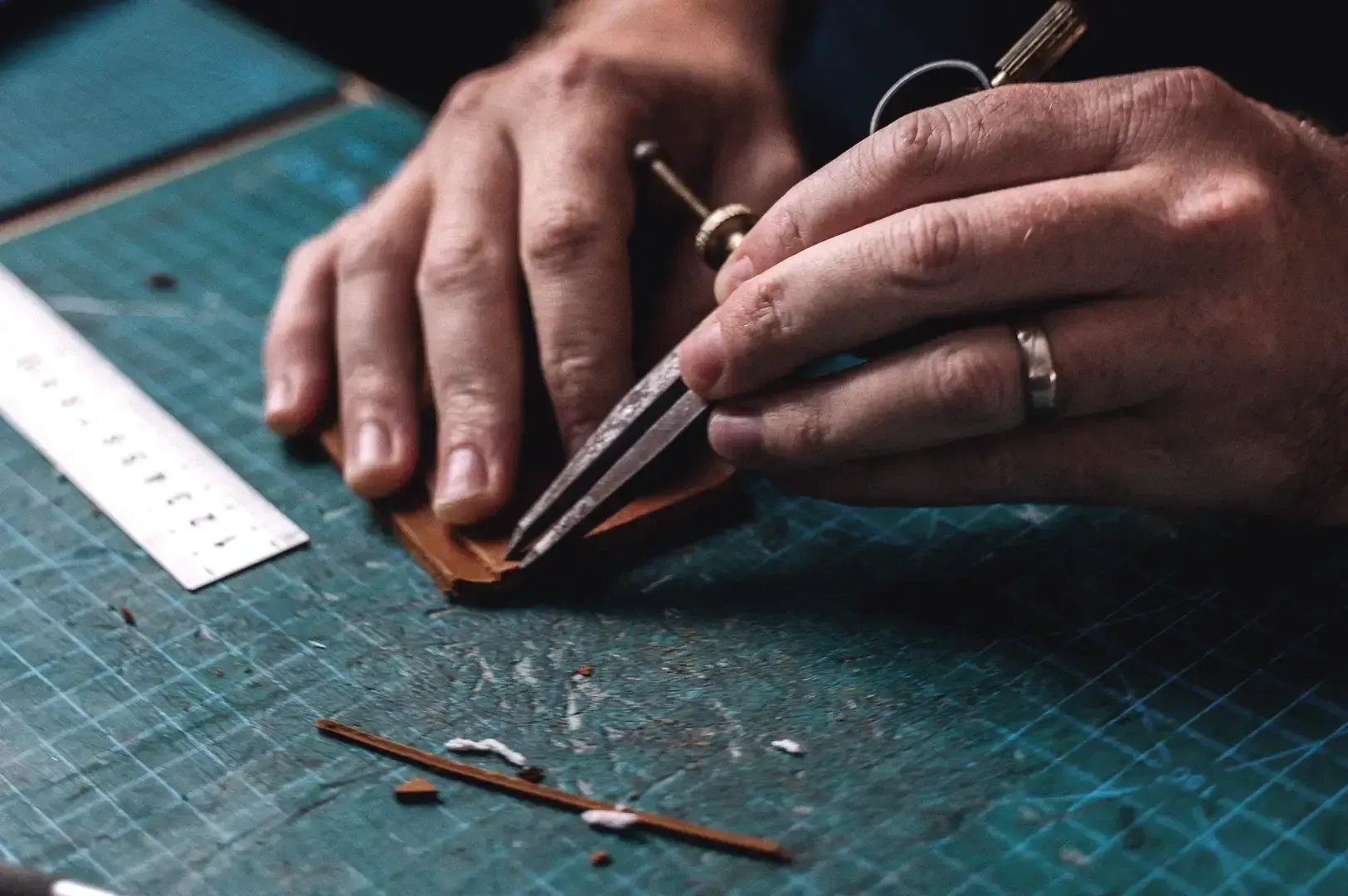
This close-up image features an assortment of crafting tools, including pliers, scissors, and a wire
By Bay San January 27, 2026
On craft, attention, and the irreplaceable value of human hands in an automated world. A reflection on what machines cannot replicate.
Show More