
The Sound of Place: Listening to Cities and Landscapes
The first thing that reached me was rain on a metal awning.
I was standing under it, waiting out a sudden downpour, and I had not yet looked up to see where I was. But I could hear the shape of the street around me. The rain drummed hard and flat above my head, then thinned into a softer patter where it fell past the edge onto stone. Somewhere behind me, water ran into a drain with a low, steady gulp.
Feet passed. Not many. Unhurried ones, people who had also chosen to wait rather than run.
I knew, before I looked, that this was a narrow street, old, built for walking. The sound told me so. A wide avenue would have carried the hiss of tires. This place carried only rain and footsteps and the small conversation of water finding its way down.
You can learn a place with your eyes closed. Sometimes it is the truer way to meet it.
A City Heard, Not Seen
Every city keeps its own hours, and it tells you the time through sound. In the morning, the one I return to often begins with a broom. A shopkeeper drags stiff bristles across the pavement outside his door, a dry, patient rasp that repeats before the light is fully up. It is the sound of a place preparing itself. Careful. Private. Not yet performing for anyone.
By midday the tempo has changed entirely. The city fills with the click of a pedestrian signal, that soft repeating chirp that gathers a crowd at the curb and then releases it. Hundreds of shoes move at once, then stop, then move again. The sound is coordination without words. It tells you the place has learned to move together, and that no one questions the rhythm anymore.
Late at night, the layers fall away. What remains is the distant complaint of a train slowing into a station, brakes sighing metal on metal. There is a loneliness to it, but a companionable one. It says the city is still breathing, quietly, for the few of us still awake to hear it.
Three sounds. A morning of care, a noon of habit, a night of solitude. I did not need to see any of it to understand how these people lived.
The Landscape That Edits the Mind
A mountain sounds like almost nothing, and that nothing is the point.
I spent time once at a property high in the cold, where the snow lay thick enough to swallow noise. What struck me first was not the view. It was the way the silence had weight. Not an absence, but a presence, pressing gently against the ears until you noticed your own pulse.
The city fills every gap with sound. The mountain leaves the gaps open, and asks you to sit inside them.
My mind slowed to match it. In the city I think in quick, overlapping lines. Up there, a single thought could stretch out and finish itself before another arrived. The wind would rise sometimes, moving through the pines with a long exhale, and then settle again into that thick, structured quiet.
I understood then that silence is not empty. It is built. It has edges and rooms, and you can walk through it the way you walk through a house.
What a Sound Brought Back

One evening in that cold, a kettle began to tick as it heated, and I was no longer there at all.
I was back in the first weeks of building the academy, in a small room that never quite got warm. There had been a cheap electric kettle in the corner, and it made that same slow ticking as the element strained. I worked late in that room, alone, with the ticking for company and the smell of instant coffee going stale in the cup.
Memory does not come back as a story. It comes back as a texture. A cadence. The particular pitch of a kettle in a cold room, and suddenly the whole weight of those months returns, wordless and complete.
I let it pass through me. Then the kettle in the mountains clicked off, and I was returned to myself.
Listening as a Discipline
Building things taught me to listen to what is actually there, rather than to what I hoped to hear.
In every venture there were two kinds of things. The ones that had to hold, and the ones that were allowed to move. The training held. The rituals held. The reasons behind the small details held. These were never up for negotiation, because they were the thing itself.
Almost everything else could change. The format. The menu. The location, the scale, the name above the door. These were surfaces, and surfaces are meant to shift.
The mistake, always, was mishearing one for the other. Clinging to a surface because it felt like loyalty. Letting an essence slip because no one had complained yet.
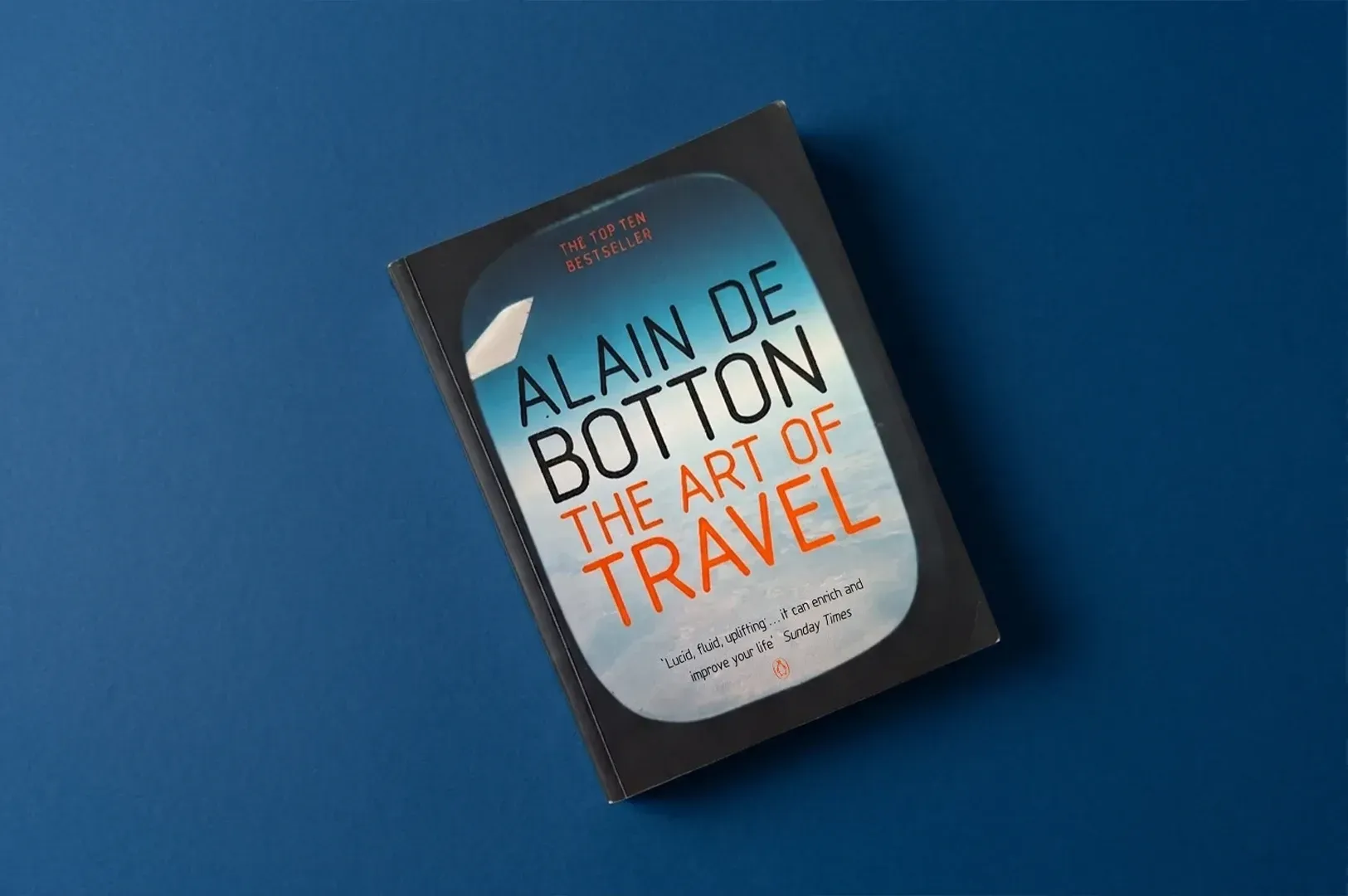
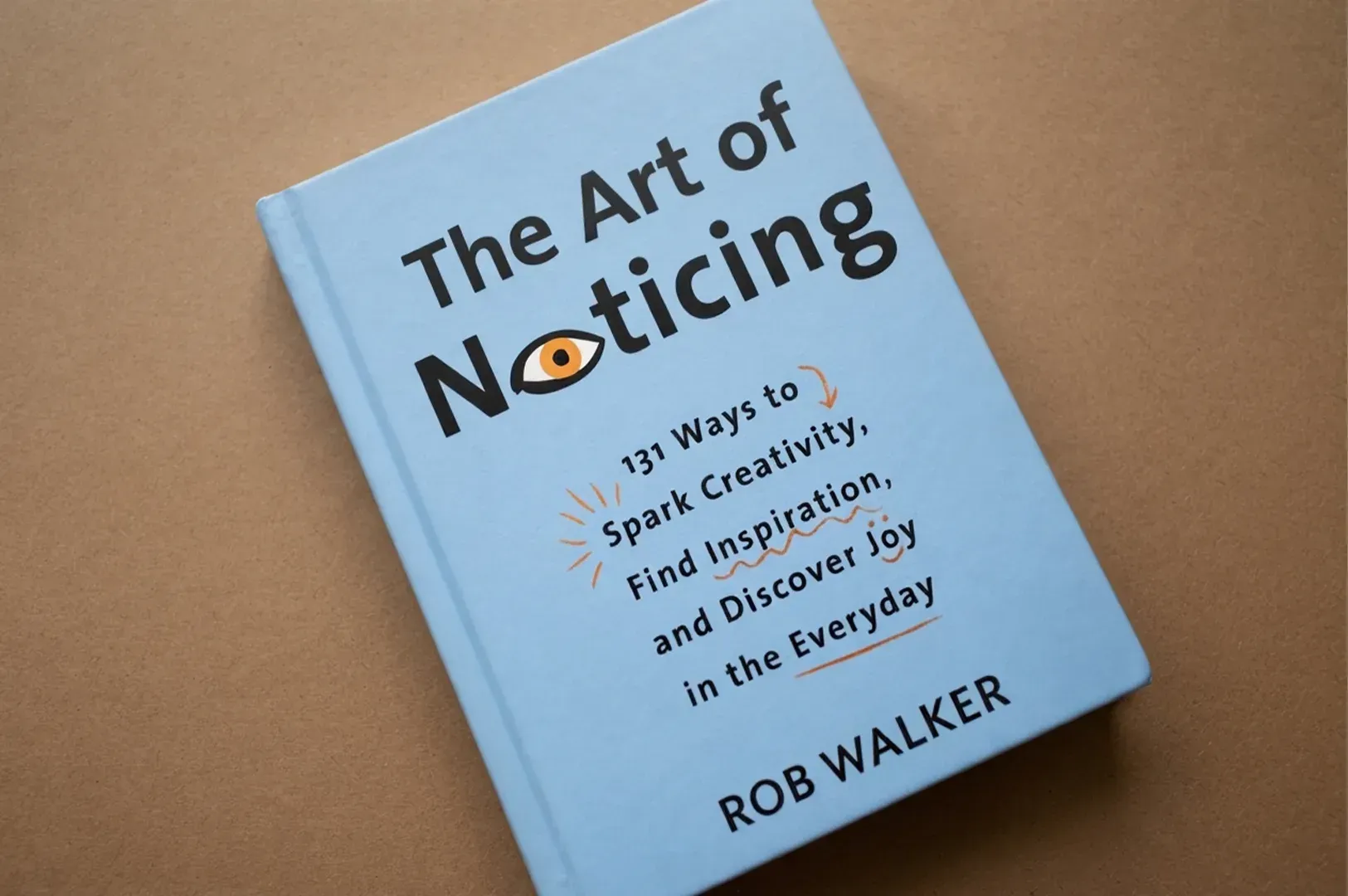
Listening well is how you tell them apart, like I talked about in
this article. You have to hear the quiet signal under the loud one. The staff member who goes silent before she leaves. The room that has stopped feeling right, though the numbers still look fine. Attention is the whole of it, and attention begins with the ears.
Two Rooms, Two Sounds

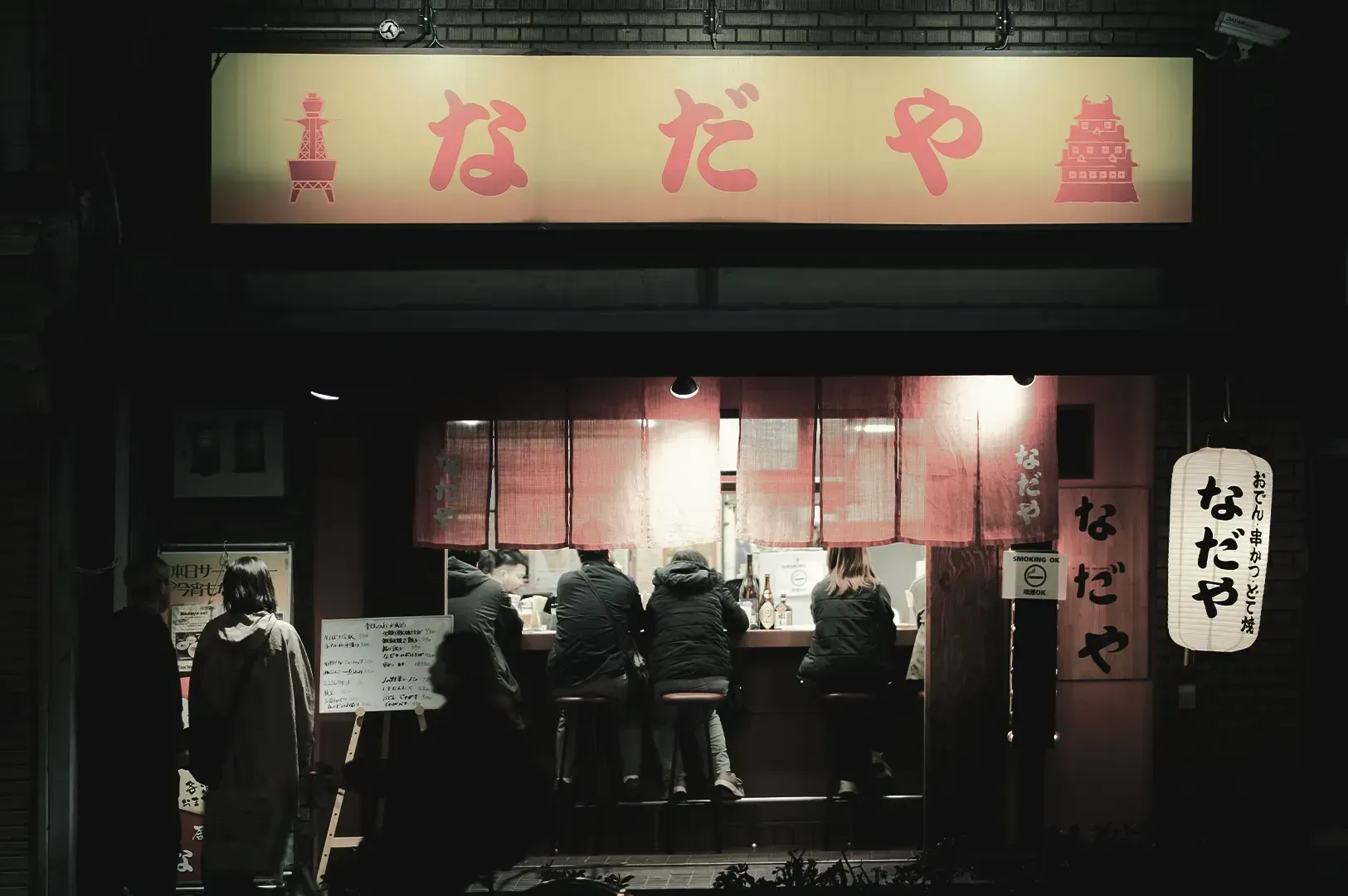
Late at night in Japan, the sound is a ramen shop at the end of an alley. The slurp and clink of bowls, the hum of a vending machine outside glowing in the dark, the far-off rattle of the last train. Warmth pooled in a cold city, asking nothing of you but that you sit and eat.
In an afternoon tea room, the sound is almost nothing at all. Porcelain set down with care. A kettle reaching its point. Voices lowered to match the pace of the pour. Movements measured to the half-second, so that even the quiet feels intentional.
One sound feeds you. The other sharpens you. I have carried both a long way.
What Listening Leaves Behind
I still think about that rain on the awning, and how much it told me before I looked.
I have come to believe that listening is a form of belonging. The tourist photographs a place and takes the image home. The one who listens is changed by it instead, because a place works on you slowly, through what it teaches you to notice.
You do not choose the sounds that lodge in you. A broom at dawn. A kettle in a cold room. The sigh of a train you cannot see. They arrive, and they stay, and afterward the world is arranged a little differently around them.
We become the quality of our attention. The rain is still falling somewhere, on some metal awning, and someone is standing beneath it, learning a place without yet having seen it.